What Every Artist Should Know: Learn The Art Fundamentals, Finding Your Style, Profiting, & More
Yasmina Creates · Artist & Creativity Cheerleader
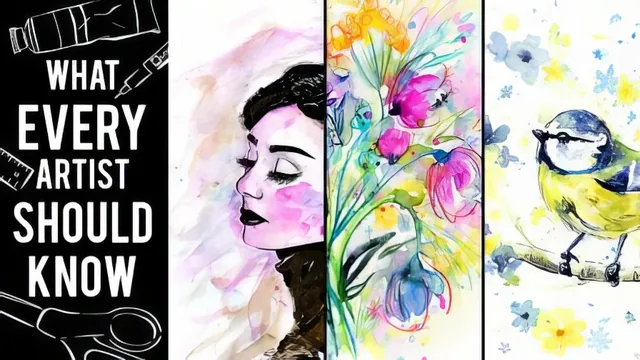
A broad survey of everything an artist needs to think about, from line and value to Instagram, but each topic gets only a few minutes.
This class positions itself as the guide nobody handed the teacher when she started, and it delivers on that premise by covering an enormous amount of ground in under an hour and a half. Eighteen lessons move from the visual building blocks of art (line, shape, form, value) through observation and drawing exercises, into medium selection, referencing, style development, audience building, monetization, and finally the psychological side of being an artist. No single topic gets more than a few minutes, which is both the class's appeal and its central limitation.
Where the fundamentals land
The early lessons on line, shape, form, and value work because they are anchored to specific artists rather than abstract rules. Pointing to DZO Olivier's pen-and-ink cross-hatching, Katie Wolford's continuous-line illustrations, or Gabrielle Brickey's lighting-driven portraits gives each concept a visible reference point instead of a definition to memorize. The drawing-exercises lesson is the strongest stretch in the class: contour drawing, blind contour, cross-contour, negative-space studies, and timed gesture work are all explained with enough specificity that a viewer could open a sketchbook and start immediately. This section alone justifies sitting through the class for anyone who has never been taught to observe deliberately rather than draw from memory.
The medium comparison section is similarly practical, weighing pencil, colored pencil, Copic markers, ink, watercolor, oil, acrylic, and gouache against each other on cost, forgiveness of mistakes, and drying behavior, with the honest caveat that preference matters more than any objective ranking.
Where the course thins out
The back half trades technical instruction for career advice, and here the age of the material shows. The audience-building lesson leans on Instagram, YouTube, and Tumblr as "the most powerful platforms" as of 2018, and the personal history that follows (Tumblr illustrations, a year of Twitch streaming, a first Skillshare class) reads more as memoir than instruction. It is honest and occasionally moving, but a viewer hoping for a repeatable playbook on growing a following in the current landscape will find only general principles: pick one or two platforms, post consistently, prioritize quality over volume.
The monetization lesson lists paths (freelance, licensing, teaching, self-publishing) without walking through how to execute any of them, and the closing material on jealousy, burnout, and imposter syndrome is candid but generic, the kind of advice that could apply to any creative pursuit rather than one specific to visual art.
Taken as a whole, the class works best as an orientation map rather than a skill-builder. It tells a beginner what to go learn next (values, references, a chosen medium, a niche) more than it teaches any of those things to mastery. Anyone already past the absolute-beginner stage will find little here they have not already encountered, but for someone starting from zero, the sequence of ideas and the drawing exercises in particular offer a genuinely useful starting point.
The standout
The drawing-exercise lesson, particularly the blind contour and cross-contour drills, gives a concrete, repeatable method for training observation that most beginner-level classes only gesture at.
What you will learn
- The core visual building blocks: line, shape, form, and value, illustrated through named working artists' actual approaches
- A set of practice drills including contour drawing, blind contour, cross-contour, negative-space drawing, and timed gesture studies
- How to compare traditional media (pencil, ink, watercolor, gouache, oil, acrylic) against digital work by cost, forgiveness, and drying behavior
- A framework for auditing personal skill gaps and scheduling deliberate practice around them
- A menu of ways working artists monetize their output, built from the teacher's own path through freelancing, streaming, and teaching
- How to manage art block, jealousy, and burnout as recurring parts of a creative career rather than signs of failure
Best for: Complete beginners or hobbyists who have never had any formal grounding in art fundamentals and want a map of what to study next.
Skip it if: Anyone who already knows the basic elements of design and is looking for deep technical instruction in a specific medium or skill.