
Vintage Wildflowers in Watercolor: 14 Days of Painting Prompts
Peggy Dean · Top Teacher | The Pigeon Letters
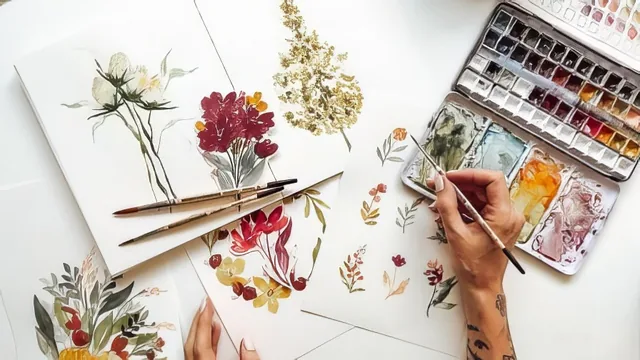
A structured 14-day challenge for loosening up brushwork and learning muddy vintage color mixing, not a step-by-step botanical guide.
Peggy Dean's "Vintage Wildflowers in Watercolor" is built less as a technique tutorial and more as a daily practice challenge, structured across 14 short painting prompts bookended by a materials list and a color-mixing lesson. The premise is straightforward: use a limited, deliberately muddied palette to produce loose, antiqued florals, and repeat that process daily until looseness becomes habit. For viewers who already hold a brush comfortably, that repetition is the course's real engine.
What the lessons actually cover
The strongest single lesson is the color palette segment, where Dean mixes bright red, brown, beige, and blue into a family of dusty mauves, purples, and ochers, demonstrating how to neutralize a vivid pigment without reaching for premade muted paint. That palette carries through nearly every subsequent day, so the lesson functions as the toolkit the rest of the course draws from, not an isolated demo.
From there, the daily prompts move through a logical arc: unstructured messy blooms with a round brush, then more structured buttercup petals with a filbert, then wet-on-wet thistles that lean on bleed effects while the paper is still damp. Later days shift from single-flower studies to composition exercises, a wild mini bouquet, a monochromatic piece, a taxonomy-style page of individual floral specimens, a wreath, and a soft bundle framed with washi tape. The 14th day is a two-minute timed sketching sprint meant to generate raw, unplanned shapes, which then feeds directly into the final project: picking one of those quick sketches and elaborating it into a finished piece.
Strengths and gaps
The pacing works because each prompt reintroduces a slightly different brush, structure, or effect rather than repeating the same exercise with new subject matter. The taxonomy and wreath lessons in particular show how the same loose mark-making vocabulary, textured leaves, dot clusters, dragged stems, can be recombined into more considered compositions once the basics feel automatic.
Where the course falls short is in its refusal to give concrete technical specifics. Brush sizes are mentioned only in passing and dismissed as unimportant, water-to-paint ratios are described qualitatively ("a lot of water" or "not too wet") rather than demonstrated with clear before-and-after comparisons, and there is no instruction on paper stretching, drying times, or how to recover from a muddy wash gone wrong. That looseness is partly the point of the class, but it also means a true beginner will struggle to replicate the results without prior brush control.
The vintage color-mixing approach is genuinely useful and transferable beyond this course, and the emphasis on working without a plan, letting stems come last, letting blooms overlap and bleed unpredictably, is a reasonable antidote for painters who overthink botanical work. But the course assumes a baseline comfort with watercolor that it never actually teaches, which narrows its real audience to intermediate painters looking for a structured excuse to practice daily rather than someone learning the medium from zero. As a challenge format it succeeds; as a comprehensive technique class it does not try to be one, and viewers should go in with that expectation.
The standout
The vintage color-mixing lesson, which walks through building muted mauves, ochers, and sage tones from a small set of primaries rather than relying on premade watercolor hues.
What you will learn
- How to mix bright tube colors down into muted, antiqued vintage tones using red, brown, beige, and complementary colors instead of buying premuted paint
- Loose, gestural mark-making for petals, stems, and foliage using both round and filbert brushes
- Wet-on-wet bleed techniques for creating soft, organic blooms like thistles and buds
- Building compositions from simple repeated shapes: blobs, dots, and C-curves that read as wildflowers
- How to structure a wreath, bouquet, and taxonomy-style collection layout from individual floral elements
- A fast, timed sketching exercise for generating unplanned shapes to seed a final project
Best for: Watercolorists who already know basic brush control and want a low-stakes daily practice to loosen their style and build a personal color vocabulary.
Skip it if: Total beginners who need guidance on brush handling, water-to-paint ratios, or paper stretching, since none of that is explained from scratch.