
Video on a Budget: Prepare for Your Shoot Without Breaking the Bank
Chrystopher Rhodes aka YCImaging · Music Video Director
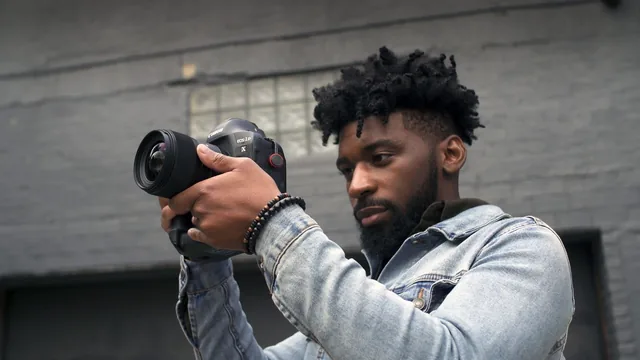
A working music video director walks through a real $100 pre-production plan, but the actual filming and editing are never addressed.
Chrystopher Rhodes, a working music video director, frames this class around a single constraint: a $100 location budget and a real song, "Beast Like Mine" by Sugar Bliss, that he plans to shoot a video for. That constraint is the smartest structural choice in the course. Rather than lecturing about budget filmmaking in the abstract, every lesson traces one concrete decision through to its outcome, and the viewer watches the same project develop from a vague emotional impression into a locked shot list.
What the course actually covers
The arc runs entirely through pre-production. It opens with developing a "vision," a process of listening to a track and writing down mood, color palette, in-camera effects like a Black Pro-Mist filter or overlay blurs, and the number of distinct visual "looks" needed to keep a video engaging across its runtime. From there it moves into visual reference gathering, mostly pulled from the Internet Music Video Database, with a useful honesty check: pick references you can actually replicate with your resources, not ones that require a cast or props you don't have. The treatment lesson explains why a simplified, non-technical pitch document matters when a client or label has no video vocabulary, and how to stay vague enough to avoid overpromising specifics you can't deliver.
The location sections are the strongest material in the course. Rhodes demonstrates live scouting on Peerspace, comparing an empty white room against a textured, plant-filled loft, and lands on a $400/six-hour space that fits both the mood board and the budget rule he states outright: never spend more than half your budget on location. The scouting walkthrough is where the course earns its rating. He uses the Sun Seeker app to map exactly when direct sunlight will hit a specific window, timing the shoot for around 5pm to catch a natural sun-streak effect, and uses an app called Artemis to preview how different focal lengths will frame the space before a camera is even rented.
Where it runs out of road
The shot list and gear list lessons are practical without much thrown weight to the technical inexperienced viewer. Rhodes explains organizing shots by song section (intro, hook, verse) rather than by physical location, which keeps a single space visually varied. The gear list favors what he already owns, a Canon 1DX Mark II with 35mm and 100mm lenses, but he's careful to note that a full rental package runs about $300 through sites like lensrentals.com, keeping the advice usable for someone without existing equipment.
What the course does not do is film anything. It ends the moment the shoot begins. There is no lighting setup, no camera operation guidance, no editing, and no look at how any of the planned shots actually turned out. For a beginner who needs the whole production pipeline, that gap will be frustrating. As a tightly scoped pre-production primer, though, it delivers exactly what its title promises, and does it through a real, traceable example rather than generic checklists.
The standout
Using the Sun Seeker app to time a shoot around a real window's sun path is a small but genuinely transferable trick most beginner filmmakers never think to plan for.
What you will learn
- How to build a visual vision board from a song or brief, translating mood into color palette, lighting effects, and shot variety
- How to gather and select visual references from sources like the Internet Music Video Database, and adapt them honestly to your own budget
- How to write a client-facing treatment that sells a concept without over-promising specifics
- How to scout a location using tools like Sun Seeker (sun position) and Artemis (focal length simulation)
- How to build a practical shot list organized by song section, lens choice, and stabilization method
- How to prioritize gear spend (lighting first, then lenses, then stabilizers) and where to rent cheaply
Best for: Beginner to intermediate filmmakers or photographers moving into video who need a repeatable pre-production system for low-budget shoots.
Skip it if: Anyone hoping to learn camera operation, lighting setup, editing, or color grading, since the course stops entirely at the pre-production stage.