
The Staples of Branding: From Purpose to Product
Jeff Staple · Founder, Staple Design
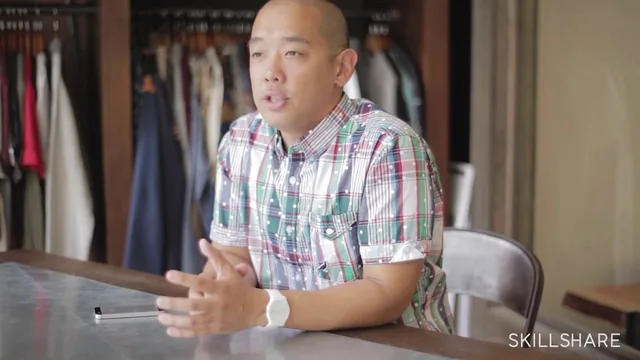
Jeff Staple compresses 20 years of building a global streetwear brand into 57 blunt, story-driven minutes on naming, logos, and launching a first line.
Jeff Staple built Staple Design from a T-shirt line into a globally recognized streetwear brand, and this course is essentially him walking a beginner through the same decisions he faced at the start, minus the mistakes. At 57 minutes across four lessons, it moves fast: naming and mission statement, logo design, then assembling a first collection. There is no software to learn and no design tool demonstrated on screen. This is a founder's playbook delivered as a monologue, heavy on real anecdotes and light on formal exercises.
What actually gets taught
The naming section is the strongest part of the course. Staple walks through his own failed first name (a phonetic Chinese word for rice, abandoned because it excluded most of his audience), then lays out a concrete process: free-associate a long list of names, narrow it to ten or twelve, print each on its own sheet of paper, tape them to a wall, and live with them for up to two weeks with trusted collaborators voting. He pairs this with plain-language legal grounding, including the actual mechanics of registering a business name at City Hall and why a sole proprietorship exposes personal assets to lawsuits in a way a corporation does not.
The logo lesson splits into three useful buckets: the philosophical case for a mark (he tells the origin story of Staple's pigeon logo, born from a Nike collaboration and only later understood as a symbol people in any city could claim as their own), the technical need for a style guide so a logo never drifts across vendors, and the legal reality that a trademark does not prevent lawsuits, it just strengthens your position in one. The advice to get trademark coverage in your home country, your selling markets, and your manufacturing country, in that order, is specific and worth the price of admission for anyone who has not thought about a factory owner claiming their brand name abroad.
The final lesson on launching a first collection covers merchandising, theme selection, and margin math across three distribution paths: direct online sales, boutique placement, and mass retail. The numbers he walks through, a $30 shirt yielding $25 profit sold direct versus $5 profit at scale through big retail, make the tradeoff between margin and volume concrete rather than abstract.
Where it falls short
Nothing here is a system or a template. It is one man's opinions delivered with confidence, and the class leans hard on Staple's specific taste for long-term, story-driven brands over quick-flip ones, so a viewer chasing a fast trend play will find some of the advice actively working against their goals. The class project (name, slogan, logo, and first collection CADs) assumes a level of design and manufacturing knowledge the course itself does not teach, since the how of illustration, garment production, or CAD work is entirely outside its scope. Anyone wanting technical logo design instruction or a financial modeling walkthrough will need to pair this with other resources.
As an origin story wrapped around a genuinely useful checklist, though, it earns its short runtime. The best moments are not the frameworks but the specifics, the pigeon shoe project, the scarf-liability hypothetical, the reverse-engineered press release, and those specifics are what make the advice stick.
The standout
The reverse-engineered press release trick, writing the collection's press release before designing the pieces, so the story and highlights drive what actually gets made.
What you will learn
- How to stress-test a brand name for long-term versus short-term intent, searchability, and copyright before committing to it
- The legal basics of sole proprietorship versus incorporation, including why a corporate shell protects personal assets
- How to separate a wordmark from an icon and build a style guide that keeps a logo consistent across every application
- The three-tier priority order for trademarking a logo: home country, selling markets, then manufacturing country
- How to pick a seasonal theme and research it like an actor preparing a role, then translate it into a merchandised collection
- How to price a first collection differently depending on direct-to-consumer, boutique, or mass-retail distribution
Best for: Aspiring apparel or accessory entrepreneurs who have a product idea but no clarity yet on naming, structure, or how to sequence a first release.
Skip it if: Anyone wanting hands-on graphic design training, financial modeling, or a formal legal walkthrough rather than one founder's war stories and rules of thumb.