
The Creative Entrepreneur's Toolbox: Interviews that Inspire
Jeff Staple · Founder, Staple Design
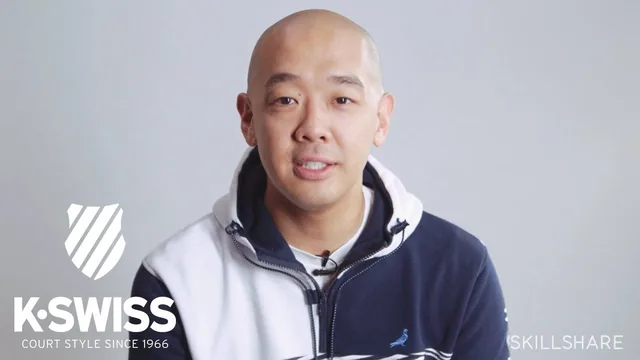
Seven short interviews from K-Swiss's brand initiative give a fast, name-dropping tour of entrepreneurship, but none of it goes deep.
A grab bag, not a curriculum
This course is less a structured class than a highlight reel of seven separate conversations, each with a different entrepreneur, held together only by a loose theme of "creative business." Natalie Suarez interviews six founders and creatives, and Jeff Staple closes with his own segment on sneaker design. There is no continuous thread connecting the lessons, no cumulative skill being built, and no assignment tying them together. Each lesson stands alone, which means the course rewards skimming to the one or two topics a viewer actually needs rather than watching start to finish.
The strongest segment is the first full interview, with WAH Nails founder Sharmadean Reid, who gives an actual framework: start with a one-sentence mission, expand it into an executive summary that explains the gap you are filling, then build three to five customer profiles detailed enough to use as a filter for decisions like whether to run a particular Instagram post. It is the only lesson in the course that hands the viewer something resembling a repeatable process.
Everything after that grows progressively looser. Scott Sasso's segment on brand positioning circles the idea that a brand needs to be different from competitors and lists a few of his taglines, but never explains how to actually generate one. The Runa Tea founders offer a genuinely interesting case study in ethical sourcing and community-building in the Amazon, though their advice condenses to broad principles like "have an authentic story" rather than tactics. The Fat Jewish's social media segment is entertaining and occasionally practical, such as his point that a brand that once wanted outrageous content often gets nervous once it actually receives it, but its actionable core is thin: be consistent, avoid the Kelvin filter, and use fewer hashtags.
Style over substance
Rachel Wang's lesson on brand imagery is useful for anyone planning a first product photoshoot, covering mood boards, casting considerations tied to what is being sold, and the idea that a shoot does not require a large budget if the creative vision is clear. Jeff Staple's closing segment on sneaker design is the most technically specific part of the course, walking through outsole, midsole, upper, eyelets, and stitching as distinct design surfaces, but it is only useful to someone actually designing footwear.
The course's biggest limitation is length against ambition. At 51 minutes covering business planning, branding, ethics, social media, photography, and product design, none of the six topics gets more than eight or nine minutes, and none includes a worksheet, template, or exercise. It functions better as inspiration and light exposure to different creative careers than as instruction. Beginners curious about what these different roles even involve will get value from the variety. Anyone looking to build a business plan, a brand strategy, or a social media calendar will need to look elsewhere for the actual how.
The standout
Sharmadean Reid's walkthrough of a business plan as a one-sentence mission followed by three to five detailed customer profiles is the one segment concrete enough to actually use.
What you will learn
- How to structure a one-page business plan around a single mission sentence, an executive summary, and customer profiles
- How to think about brand positioning and taglines as a way to differentiate from competitors
- How to build a socially conscious supply chain and communicate an authentic origin story
- Practical Instagram habits like consistency, taking creative risks, and avoiding overused filters and hashtags
- How to plan a lookbook shoot, from mood boards to casting to location
- How to break down sneaker design piece by piece, from outsole to tongue to eyelets
Best for: A total beginner who wants a quick, personality-driven overview of what different entrepreneurial roles involve before picking a lane to study further.
Skip it if: Anyone who already runs a business or wants step-by-step frameworks, worksheets, or exercises rather than casual conversation.