
The Art Of Storytelling: How To Craft Engaging, Persuasive, and Memorable Stories
Improvement Pill · YouTuber 3+ Million Subs
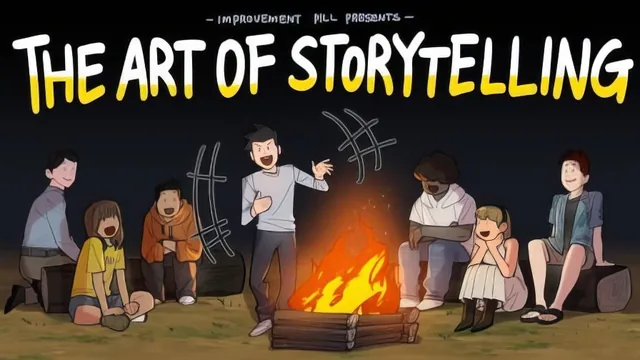
A YouTuber's toolkit for hooking, persuading, and selling with stories, more marketing playbook than narrative craft.
A Sales Framework Wearing a Storytelling Costume
The course opens strong. Richard, the creator behind Improvement Pill, tells a personal story about chasing down a purse snatcher during a door-to-door sales job, then immediately dissects why the story worked. That move, tell first, teach second, repeats throughout and is the course's best structural habit. It means every lesson doubles as a demonstration, so techniques like the three components of a good story (a relatable character, interesting content, and emotionally charged animation) get modeled before they get explained.
The middle stretch, covering character, content, and emotion, is the most transferable part of the course. The character lesson breaks relatability into background information, mini experiences, and opinions or feelings, with a clear warning against overusing dry background facts. The emotion lesson is unusually hands-on: it has viewers practice reading the same sentence in neutral, rising, and descending tones, then at slow, normal, and fast tempos, then with wordplay like whispering or adopting an accent. Few storytelling courses ask the audience to speak along, and this is the one section built for actual rehearsal rather than passive viewing.
Where It Tips Into Marketing
From the hook lesson onward, the course shifts from craft to conversion. The value proposition hook, curiosity hook, and pattern interrupt hook are useful concepts, but the deeper the course goes, the more it reads as a sales manual. The persuasion and offer lessons lay out a six-factor formula, recap, urgency, scarcity, greed, the Jones effect, and indifference, and walk through a full offer stack with invented dollar values for coaching sessions, mini-courses, and bonuses. It is a genuinely useful anatomy of a sales pitch, but it has little to do with storytelling as an art form and everything to do with storytelling as a conversion tool.
The closing lessons pull back toward personal development, showing how to mine past experiences for confidence-building stories and how to teach through narrative rather than reprimand, illustrated with an anthropologist's account of Inuit parenting. These sections are engaging but thin, mostly reflection prompts rather than technique.
The Verdict
The course never pretends to be neutral. Nearly every example draws from the instructor's own YouTube career, sales background, or self-improvement journey, which keeps things concrete but also narrows the lens. Someone looking for narrative theory, character development for fiction, or an academic treatment of storytelling will find none of that here. What the course delivers instead is a practical, occasionally repetitive playbook for anyone who needs to hold attention, build a persona, and close a sale or a pitch using story as the vehicle. For that audience, the vocal delivery drills and the offer stack breakdown alone are worth the 151 minutes. For anyone else, the sales framing will feel like a bait and switch on the title.
The standout
The offer stack technique in the persuasion lesson, which walks through pricing, bundling, and urgency line by line to turn a story directly into a sales pitch.
What you will learn
- How to build a relatable character by layering background facts, small daily experiences, and personal opinions or feelings
- Vocal delivery techniques for animating a story: switching tone (neutral, rising, descending), varying pace, and using wordplay like whispering or accents
- Three ways to open a story so people keep listening: the value proposition hook, the curiosity hook, and the pattern interrupt hook
- A six-part persuasive offer structure built from recap, urgency, scarcity, greed (including the offer stack), the Jones effect, and indifference
- How to mine past experiences and manufacture new ones to reshape self-perception through repeated storytelling
- How to teach lessons through calm, narrative correction instead of direct reprimand, modeled on Inuit child-rearing practices
Best for: Content creators, coaches, and marketers who need to hook an audience quickly and convert attention into sales or influence.
Skip it if: Anyone wanting fiction, screenwriting, or literary narrative craft, since the course treats story almost entirely as a business and persuasion tool.