
Street Photography: Unlock the Secrets of Composition, Color & Confidence
Craig Whitehead · Street Photographer @sixstreetunder
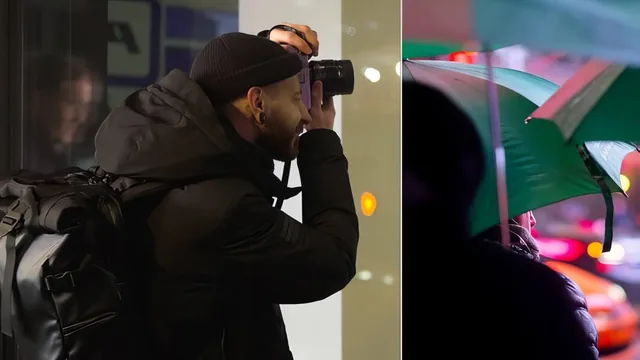
A working street photographer's actual eye for color and abstraction, not another generic composition-rules rehash, in under an hour.
Craig Whitehead's course opens with a disclaimer worth taking seriously: this is not the classic Bresson-style street photography of decisive human moments. Whitehead shoots with mid-range to longer lenses, treats people as a finishing touch rather than the subject, and comes to the genre from an illustration and fine art background obsessed with texture and color. That framing matters because it sets expectations correctly. Anyone expecting a tutorial on catching strangers mid-gesture with a 28mm lens will find something else here: a course about building compositions first and letting temporary human elements complete them second.
The arc moves logically from mindset to field practice to post-production. Early lessons cover preparation: reading weather (harsh winter light versus overcast versus rain), doing minimal location research, and managing the fear of photographing strangers through body language and simple honesty if confronted. This groundwork is short but practical, particularly the point that extreme weather, not fair weather, produces the most interesting light.
Where the course earns its keep
The Manhattan location footage is where the specific techniques land. Whitehead demonstrates working a scene with no obvious focal point by treating literally any detail, a jacket flapping, a silhouette against a stoplight, as a potential frame, and stacking small elements (a passing ambulance's colored light, a reflection, a shadow) into a single composition. The lesson on abstraction is the strongest single stretch: learning to notice a reflection before recognizing what sits behind the glass changes how a frame gets built entirely, and Whitehead's example of composing around a red patch of color first, then waiting for a person to walk through it, is a genuinely transferable habit rather than a platitude.
The editing lesson is refreshingly restrained. Whitehead's process amounts to a few minutes per image: exposure, clarity applied selectively rather than globally, and split toning to correct unnatural color casts from artificial light. He explicitly criticizes over-processing and treats a strong image as one that needed almost nothing done to it. This runs against the trend of tutorials that spend most of their runtime in editing software, and it is a defensible position for the style being taught.
Where it falls short
The selection lesson is honest but thin on repeatable method. Whitehead reviews his own contact sheets and explains, frame by frame, why one shot beats another (a stray red element is distracting, a reflected sign fills empty space), but the reasoning stays personal and intuitive rather than becoming a framework a viewer can apply unassisted to their own work. Viewers hoping for a checklist for culling will need to build that instinct themselves through repetition.
The course is also light on gear and technical settings. Whitehead deliberately downplays equipment, recommending a 50mm to start and aperture priority mode, and insists a smartphone works fine, but a first-time photographer will still need outside resources to understand exposure compensation or metering modes he mentions in passing.
Overall this is a confident, distinctive 54 minutes built around one photographer's real working method rather than generic composition rules, best suited to someone with basic camera literacy who wants a different lens (literally and figuratively) on the genre.
The standout
Training the eye to notice a reflection before the subject behind the glass, which reframes how a street photographer composes an entire scene.
What you will learn
- How to read light and weather conditions before shooting and adapt location choice accordingly
- How to spot reflections and use them to build abstract compositions before noticing what's behind the glass
- How to use foreground elements and body positioning to block distracting parts of a frame
- How to sequence a shoot: wander and acclimatize, then work fleeting human moments, then abstraction
- How to cull a shoot using small preview thumbnails first and only editing images that hold up small
- How to apply minimal, targeted edits (selective clarity, split toning) rather than heavy processing
Best for: Photographers who already know their camera and want a distinct point of view on composition and color rather than beginner technical instruction.
Skip it if: Complete beginners needing camera-settings basics, or anyone wanting classic decisive-moment, people-first street photography technique.