
Storytelling in Film: Using Cinematography to Convey Emotion
Joe Simon · Director of Photography
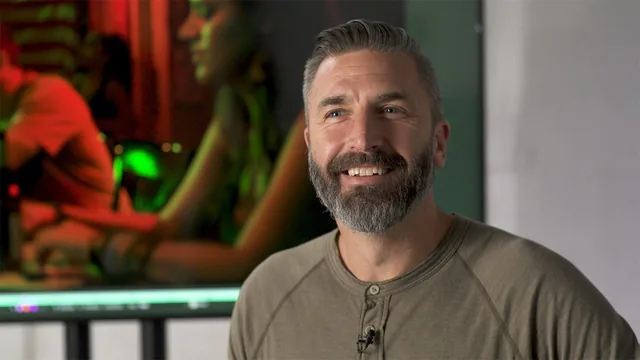
A 56-minute deep dive into why cinematography choices work, taught through real short-film examples rather than generic tips.
Storytelling in Film: Using Cinematography to Convey Emotion
Joe Simon structures this class around a simple premise: every cinematography decision, from where you place a horizon line to which lens you mount, should answer a specific emotional question. The course moves through framing and composition, lighting, camera movement, production value tricks, and camera settings, using clips from Simon's own short films (Angus and the Boys, Low Tide, Everything Has a Feeling) as running case studies rather than stock footage.
What the Course Actually Teaches
The framing section is the strongest stretch. Simon breaks down long-siding versus short-siding, the practice of placing a subject's negative space either in front of or behind their eyeline, and shows how a bar scene uses short-siding on two characters to make the audience feel unease before any dialogue reveals who is dangerous. This is a genuinely useful, specific technique explained through a real edit, not an abstract rule. The lens discussion follows the same pattern: a 24mm lens speeds up a bike or car chase by exaggerating background movement, while a 50mm lens compresses the same background and slows the perceived pace, illustrated with matched shots from one of his films.
Lighting covers three-point setups and, more usefully, a rule about keeping the sun within 45 degrees behind the talent outdoors to create edge light and separation from the background. Camera movement gets a clear decision framework: tripod when the story should carry the scene, dolly or gimbal for introducing a location or following a character, handheld for subjective, personal material. The chapter on production value is the most practical for solo or low-budget shooters, covering shallow depth of field as a way to hide an undressed background, diffusion filters like Black Pro Mist for highlight roll-off, and scouting locations at the correct time of day before writing a scene around them.
The camera settings chapter closes with the technical basics (24fps, a 180-degree shutter, Kelvin white balance) and one memorable exception: a war-flashback sequence shot at 3200K in daylight and a higher shutter speed to make the color read cold and the motion feel jagged, deliberately breaking the rules the rest of the class just established.
Where It Falls Short
The class runs under an hour and covers six distinct topics, so nothing gets more than a few minutes. A viewer with zero camera experience will hit terms like ND filters, Kelvin temperature, and depth of field with only a sentence or two of explanation before the class moves on. There's no dedicated color grading or sound section, and the "assignment" is simply to analyze favorite films rather than shoot and submit something, which limits how much a viewer actually practices the skills before the class ends.
What it does well is connect technique to intention throughout. Simon rarely shows a shot without explaining the emotional job it's doing, which is the harder and more useful half of cinematography education. For anyone who already owns a camera and understands basic exposure, this class gives real, transferable reasoning rather than a checklist.
The standout
The short-siding versus long-siding framing technique, shown through a bar scene where negative space placement alone signals which character is dangerous.
What you will learn
- How to build a balanced rule-of-thirds frame and use long-siding versus short-siding to create comfort or unease
- How lens length changes emotional distance, from wide shots that speed up action to longer lenses that compress and flatter faces
- How to set up naturalistic three-point lighting and keep the sun behind subjects outdoors for contrast and separation
- When to use a tripod, dolly, gimbal, or handheld camera based on the story's emotional register
- How to fake production value through shallow depth of field, diffusion filters, and scouting locations for the right time of day
- Core manual camera settings: 24fps, a 180-degree shutter angle, correct white balance in Kelvin, and when to break those rules on purpose
Best for: Filmmakers and DPs with some working knowledge of a camera who want to understand the reasoning behind shot choices, not just how to operate gear.
Skip it if: Total beginners who have never touched manual camera settings, since the class assumes basic vocabulary and moves fast through technical terms.