
Short Films: Tell Stories with Stop-Motion
PES · Oscar + Emmy-Nominated Animation Artist
A working animator narrates 79 minutes of philosophy and one live sketch, so expect inspiration and a single demo, not a technical curriculum.
A philosophy class wearing a technique class's title
PES opens by comparing a short film to a dollhouse: small enough to be perfect, unlike a feature, which is a real house that never gets finished. That metaphor sets the tone for most of the class. Five of the nine lessons (Introduction, Inspiration, Storytelling and Humor, Communicating with Your Audience, and most of Animation Technique and Philosophy) are conversational reflection on how he generates ideas, not instruction on how to execute them. He describes buying odd tools at flea markets for years before a film idea clicks, keeping a running mental folder of nagging concepts, and building entire films around a single association, like realizing a Pac-Man ghost resembles a pizza slice, or that avocados look like grenades. This is genuinely useful creative-thinking material for anyone stuck on what to make, but it is closer to a talk on creative process than a course on stop-motion craft.
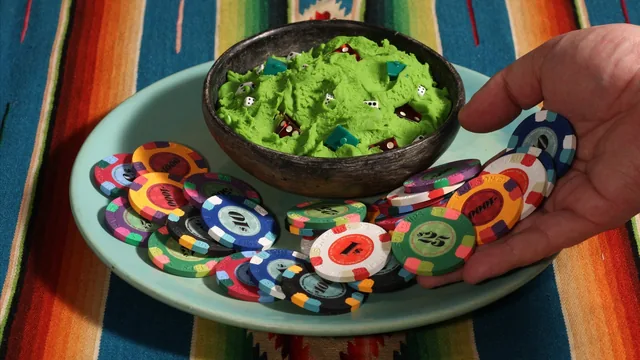
The structural advice is the strongest thread running through the philosophy sections. PES repeatedly returns to the idea that a short film needs a punchline, not a plot: the ending should feel logical and inevitable but still surprising. He walks through why Fresh Guacamole's final chip-crunch works better than Western Spaghetti's quieter ending, and why Roof Sex needed the grandma-blames-the-cat beat to justify watching the whole thing rather than just the "two chairs having sex" novelty. That's a specific, transferable lesson about payoff structure, useful even outside animation.
Where the actual technique lives
The craft instruction is concentrated almost entirely in the final three lessons: Sketching Your Ideas, Starting Your Animation, and Editing Your Animation. Here PES rigs a pencil to look like it's being struck as a match, using copper wire, hot glue, and a weighted antenna base to keep the object stationary between frames, then substitutes chunks of candy corn, cut with an X-Acto knife into graduated sizes, to simulate a flickering flame. He shoots on twos (12 positions, two frames each) to cut his workload in half, and demonstrates comparing the live camera feed against the previous frame in Dragonframe to keep the motion smooth. In editing, he shows pulling stray frames to speed up the strike and hunting through a stock library for a match-strike sound that matches what he hears in his head, adjusting decibel levels by ear until the audio and image lock together.
This sequence is the one place the class delivers on its title, and it is genuinely instructive: concrete materials, a specific rig, a specific editing trick. But it covers exactly one micro-project, a two-to-three-second sketch, not a full production. Viewers hoping to learn camera setup, lighting fundamentals, or how to animate anything more complex than an object drifting across a static table (like the hand-animated Fresh Guacamole or Western Spaghetti, which PES explicitly says need a second person and are "a layer of complexity above this") will find those techniques described but never demonstrated.
Verdict
As a source of creative philosophy from a distinctive, accomplished animator, this class earns its runtime. As a technical tutorial, it is thin, front-loaded with reflection and back-loaded with one small, well-taught example. Anyone wanting to actually build stop-motion skill will need a second, more procedural resource alongside this one.
The standout
The single worked example of turning a pencil and candy corn into a matchstick and flame, covering rigging, shooting on twos, and sound layering start to finish, is the one sequence that actually teaches technique rather than describing it.
What you will learn
- How to mine everyday objects for visual associations that become film concepts (grenade/avocado, deep-sea tool/creature)
- How to build a short film around a single punchline or twist ending rather than a plot
- Basic frame-by-frame stop-motion rigging with household materials (wire, hot glue, wax) to hold an object steady between shots
- Shooting on twos (12 positions held for 2 frames each) to halve the workload without losing motion quality
- How to source and sync sound effects (via SoundDogs) to sell an object's transformation into something else
- How to edit stop-motion footage in Final Cut (or equivalent), including trimming frames to speed up an action
Best for: Someone who already has basic animation or filmmaking exposure and wants a jolt of conceptual thinking about brevity, association, and punchlines from a distinctive working artist.
Skip it if: A total beginner looking for step-by-step instruction on cameras, software settings, or lighting setups, since the class assumes you can already operate the tools.