
Polymer Clay and Sculpting Basics | Essentials for Beginners and Intermediate Artists
Stephanie Kilgast · Contemporary artist.
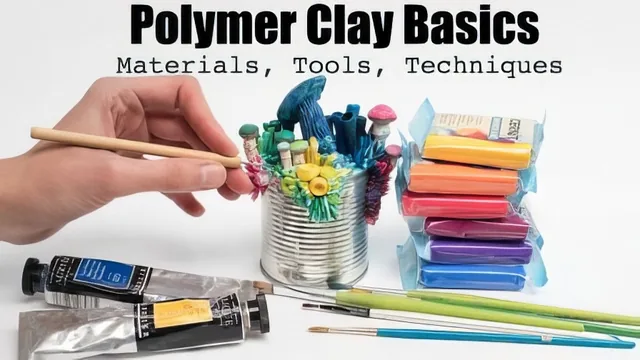
A prolific sculptor unpacks ten years of hands-on polymer clay habits in just over an hour, heavy on material knowledge, light on step-by-step projects.
Stephanie Kilgast's "Polymer Clay and Sculpting Basics" positions itself as a foundational course, and it mostly lives up to that framing by staying deliberately non-project-based. Rather than walking through one sculpture from start to finish, the class moves topic by topic: clay itself, tools, caning, mixed media, armatures, coloring, curing, and finishing. For a person who has never touched polymer clay, that structure works well as an orientation to the material and its ecosystem before committing to a specific project.
Depth on materials, thin on process
The strongest stretch of the course is the material and tool discussion. Kilgast explains how to tell whether clay is properly conditioned just by feel, and demonstrates reviving old crumbly clay by mixing it with fresh translucent clay or warming it in short microwave bursts. She distinguishes between Fimo and Cernit, notes their different softness and translucency, and flags that different brands cure at different temperatures, a detail that matters if a sculptor plans to combine them. The tools section is similarly granular: an exacto knife versus dedicated polymer blades versus taped razor blades, needle tools versus toothpicks for texture, ball-tools for organic shapes, and silicone clay shapers for a seamless finish without visible tool marks. This level of specificity is the course's real value, since it reflects preferences built over a decade of daily use rather than generic advice.
Where the course thins out is technique demonstration. Caning gets a brief explanation of pushing clay from all sides before reducing a cane, but there is no worked example of building a patterned cane from start to finish. Wire and armature construction is explained conceptually, foil wrapped in masking tape so clay adheres properly, but the viewer does not see a full armature built and clothed in clay. Someone hoping to follow along and produce a finished object during the class will likely need to look elsewhere, including the maker's own project-based classes, which the course points toward at its close.
Coloring, curing, and finishing hold up well
The coloring lesson earns its place, particularly the explanation of testing acrylic paints on both raw and baked clay sheets to catch pigment migration before it ruins a finished piece, and the specific warning that certain greens bleed yellow over time. The curing lesson usefully separates the myth from the fact: overbaking is mostly harmless, underbaking causes long-term crumbling, and multiple partial bakes let a sculptor add fine detail in stages. The sealing and varnishing lesson closes things out practically, contrasting a glossy resin varnish against a matte spray and noting that raw, untreated clay does not need sealing unless pastels or paint were added on top.
Sound quality and clarity of speech vary throughout, and the pacing sometimes drifts into anecdote before returning to the point. At 67 minutes across ten lessons, the course covers a lot of ground quickly, which suits its stated purpose as a reference for materials and habits rather than a tutorial to be followed step by step. Viewers should treat it as a primer to absorb once and revisit for specific answers, not as a project companion.
The standout
The acrylic paint bleed test, where two clay sheets, one baked and one raw, reveal which colors like green migrate and yellow-stain a sculpture over time.
What you will learn
- How to recognize, condition, and revive old or crumbly polymer clay by hand or with a pasta machine
- Which blades, needle tools, ball tools, and clay shapers to use for specific textures and cuts
- How to build wire and foil armatures to save clay and prevent breakage on larger sculptures
- How to color pieces using dry pastels, alcohol inks, mica powders, and tested acrylic paints without pigment migration
- How to cure clay properly using an oven or a candle-heated cloche, and when multiple bakings help a project
- How to seal and varnish a finished piece using liquid clay, gloss, or matte topcoats
Best for: A beginner or hobbyist who already owns some polymer clay and wants a materials-and-tools primer before starting their own sculpting projects.
Skip it if: Anyone wanting a guided, start-to-finish sculpture project with clear step-by-step instructions rather than a tour of tools and materials.