
Podcasting Secrets: How to Start Your Own Podcast
Nicaila Matthews Okome · Podcast Coach and Host, Side Hustle Pro
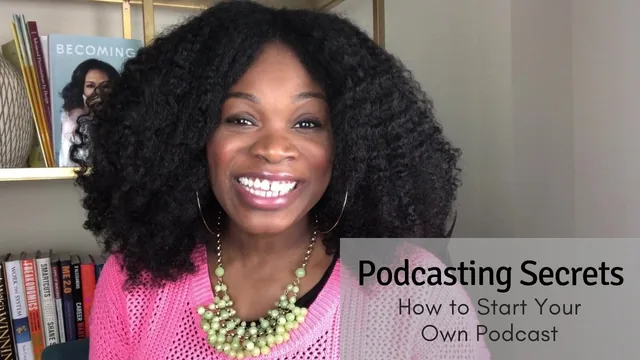
A high-energy 52-minute crash course that gets a total beginner from idea to published episode, but skips the harder editing craft.
Nicaila Matthews Okome built the Side Hustle Pro podcast from a blog with no audio experience, and this course is structured as a direct transfer of that path: define why you're doing this, find your topic, find your listener, then get the technical mechanics out of the way. It runs 52 minutes across 13 lessons, and the pacing reflects it. Nothing lingers.
Where the course actually earns its keep
The strongest material sits in the middle third. The hit topic framework asks a would-be podcaster to write down what they would talk about even if unpaid, then narrow that list by researching five to ten existing shows in the same space and identifying what those shows leave out. That single exercise, more than anything else in the course, separates it from generic get-started content, because it forces a reality check before any money gets spent on a microphone. The target listener lesson pairs well with it: rather than the usual vague advice to know your audience, it prescribes actual phone calls with real people and a written profile built from their answers. Both lessons treat podcasting as a communications problem to solve before it becomes a production problem, which is the right order.
The title and logo lesson is similarly concrete. It sorts podcast artwork into three working categories (literal, figurative, eye-catching) and uses recognizable shows to illustrate each, which gives a beginner a real framework instead of just "make it look nice."
Where it thins out
The equipment and technical lessons are where the course shows its limits. The rundown of microphones (Audio Technica ATR 2100, Blue Yeti, Heil PR-40) and recording tools (Skype paired with Ecamm Call Recorder, Zencastr, Auphonic for post-production leveling) is useful as a shopping list, but the editing walkthrough in GarageBand moves fast over dragging tracks and cutting out sections with a keyboard shortcut, without slowing down on the judgment calls that make an episode sound tight rather than just assembled. Anyone hoping for real technique on pacing, EQ, or noise reduction will find only a surface pass. The recommendation of Libsyn for hosting also comes bundled with an affiliate promo code, which is disclosed but worth noting for anyone weighing the advice as neutral.
The course also ends abruptly on consistency and batching advice (recording Mondays, editing Tuesdays, and so on) without ever returning to the growth or monetization questions a podcaster will hit within a few months of publishing. For a course titled around podcasting "secrets," the actual secrets are more about mindset and planning than technique.
The verdict
This works best as a pre-launch planning tool rather than a production manual. It answers the two questions that actually stall most first-time podcasters, what to talk about and who is listening, with real exercises instead of platitudes. It does not answer how to make an episode sound professional once it is recorded, and it treats the technical setup as a checklist to get through rather than a skill to build. For someone who has been putting off starting because they cannot settle on an angle, the topic and listener lessons alone justify the short time investment. For someone who already knows their topic and wants to level up production quality, it will feel thin.
The standout
The five-step hit topic evaluation, which forces market research into competing shows before you record a single word, is the one exercise worth the whole course.
What you will learn
- How to define your podcasting why and set a one-year commitment goal instead of quitting early
- A five-step process for validating a topic (market research, unique lane, longevity check) rather than just picking one
- How to build a target listener profile through direct phone interviews with 5 to 10 people
- What title and logo strategy (literal, figurative, or eye-catching) actually signals to potential subscribers
- Which microphones, software, and hosting platforms to pick at different budget levels
- How to record a solo or remote interview episode and push it live through a host to Apple Podcasts
Best for: A total beginner with zero audio or tech background who has a podcast idea and needs a clear, judgment-free path from concept to first published episode.
Skip it if: Anyone who already has equipment and a topic and just wants advanced editing, sound design, or growth and monetization tactics.