
Personal Branding: Crafting Your Social Media Presence
Kate Arends · Founder, Wit & Delight
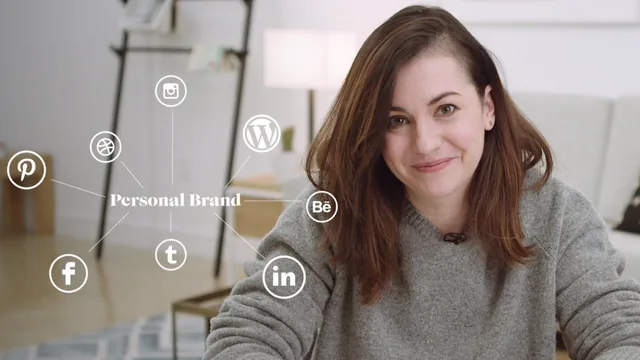
A founder-of-a-3-million-reader-blog walks through a worksheet-driven method for defining your online presence, but the material leans heavily on Wit and Delight's own story.
Kate Arends built Wit and Delight from a 2009 design blog into a company with product lines and corporate partnerships, and this class distills that experience into a worksheet-based system for thinking about a personal brand. The central argument is that personal branding has replaced the resume and the networking event: your feed is now the first impression an employer or collaborator forms of you, so it is worth approaching deliberately rather than accidentally.
The Three-Part Framework
The course splits personal branding into purpose, character, and content, and each gets its own worksheet. Purpose asks you to list three to five past professional successes and community contributions, then set one-year, five-year, and ten-year goals. Arends demonstrates this with her own answers, walking through Wit and Delight's product launches and mental-health content pivot as examples of what counts as a "success" worth writing down. Character is delivered as ten numbered rules for how to communicate online: be kind, know the difference between confidence and cockiness, speak the way you talk, don't overshare, support other people's wins instead of resenting them. Content is where purpose and character translate into actual posts, using a Venn diagram of profession, interests, and personality to locate what to talk about.
Channels and Cadence
The strongest section is the channel strategy, where Arends assigns each platform a specific role rather than treating them as interchangeable feeds. Her website is home base for long-form work, Instagram is the gallery for visual process, Twitter is the soapbox for opinions and culture commentary, and Pinterest exists purely to let content go viral and pull in new people who have never heard of the brand. She pairs each channel with a posting cadence (daily on Instagram, multiple times a day on Twitter and Pinterest, five posts a week on the blog) and a description of who actually reads that channel, distinguishing loyal blog readers from the broader, less-attached Pinterest audience. This is a genuinely useful mental model for anyone posting the same update everywhere and wondering why nothing sticks.
Where the class runs thin is specificity beyond Arends' own case. The platform advice reflects an early-to-mid 2010s content landscape (Foursquare gets a mention, Snapchat is treated as a live growth channel) and offers no framework for platforms that now dominate, such as short-form video or LinkedIn as a primary professional channel. The worksheets are useful scaffolding, but the "engaging content" lesson mostly restates the idea of adding value and having a point of view without giving a repeatable method for generating post ideas beyond the content-bucket exercise.
The class is also unmistakably built around Wit and Delight as the worked example. Nearly every worksheet is filled in using her own blog's goals, contributions, and channel roles, which makes the method easy to follow but leaves the viewer to do real translation work when their profession, medium, or platform mix looks nothing like a lifestyle blog. A freelance developer or a video editor gets the same three worksheets and ten character rules, with limited guidance on how the specifics might shift for their field.
For a 68-minute class with printable worksheets, it delivers a coherent starting framework for people who have never thought strategically about their online presence at all. It is not a tactical growth course, and it does not attempt to be one. Anyone expecting platform algorithms, analytics interpretation, or audience-building tactics should look elsewhere; anyone who has never sat down and asked what their feed says about them will get a workable structure to start with.
The standout
The channel-role framework, where each platform gets one job (home base, gallery, soapbox, discovery) instead of duplicate content everywhere, is the most transferable idea in the class.
What you will learn
- How to separate personal branding into three components: purpose (what you do and its value), character (how you communicate), and content (what you actually post)
- A worksheet method for listing past professional successes and community contributions to identify your career direction
- Ten character guidelines for social communication, including the distinction between confidence and cockiness and a rule against oversharing
- How to map content buckets (finished work, process, inspiration, community, personal experience) against specific channels
- How to assign each social platform a distinct role, such as home base, gallery, soapbox, or viral discovery channel
- How to set a realistic posting cadence per platform based on available time and audience behavior
Best for: early-career professionals or freelancers who have never approached their social presence with any strategy and want a structured starting point.
Skip it if: anyone who already runs an active personal brand or wants platform-specific tactics like algorithms, analytics tools, or growth hacks, since the class stays at the level of philosophy and worksheets.