
Packaging Your Fashion Brand: Developing Hangtags, Labels, and More
Jeff Staple · Founder, Staple Design
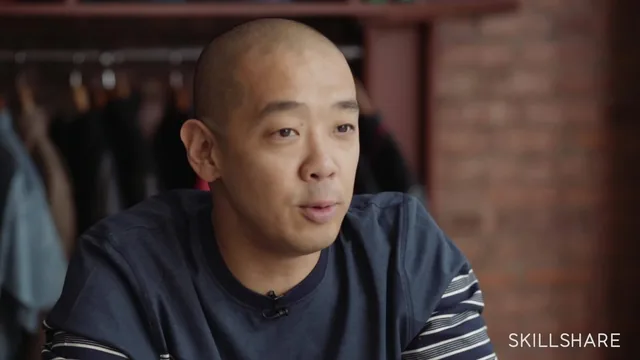
Jeff Staple treats packaging as the last chance to tell a brand's story, and this class shows exactly how, with real Staple Design examples down to the stitch.
Jeff Staple, the founder of Staple Design, built a career on the idea that a t-shirt is never just a t-shirt. This class takes that philosophy and applies it specifically to the parts of a garment most designers treat as an afterthought: the label sewn into the collar, the tag hanging off the sleeve, the sticker that ends up on a laptop lid. In under 45 minutes he walks through eight short lessons covering labels, trims, hangtags, stickers, and packaging, using his own brand's pigeon logo and 1975 origin story as the running example throughout.
The structure moves logically from what stays on the garment to what comes off it. Labels get the most rigorous treatment: Staple identifies three manufacturing techniques (printed directly on the fabric, printed labels sewn in, and woven labels) and walks through real tradeoffs, like woven labels requiring 5,000-piece minimums per size but lasting through years of washing, versus printed labels costing pennies with no minimum order at all. He then shows how secondary and tertiary labels, often hidden inside a garment where only the wearer sees them, can carry the brand's actual voice and mission in a way a main label never should.
Where the class earns its keep
The trims lesson is the strongest section by a wide margin. Staple pulls apart a pair of his own jeans piece by piece: a contrast-colored stitch shaped like an S holding down a spare button, a hand-woven Navajo-style hanger loop, pink rivets that match his pigeon logo's feet, and an embroidered "good luck" message hidden inside the fly that most owners never discover for years. He is explicit about the economics here, estimating the total added cost of every trim detail on a pair of jeans at under five dollars while justifying a doubled retail price against fast-fashion competitors like Zara or Uniqlo. This section alone demonstrates the class's real argument: that invisible, non-functional details create emotional ownership that functional design cannot.
The hangtag lesson has a genuinely useful origin story, describing how Staple made his first hangtags by hand in 1997 using craft paper, chipboard from an art supply store, and a hole punched at a Kinko's copy shop, each one bearing a different quote from a historical figure so the tag became a small surprise at checkout. It is a good demonstration that packaging storytelling does not require capital, only intention.
Where it thins out
The packaging and sticker lessons are more anecdotal than instructional. Staple shows off cool objects he has made, a rubberized Porter bag tag, a magazine-shaped t-shirt package from a Japanese collaborator, various die-cut pigeon poop stickers, but offers little on sourcing, cost per unit, or how to evaluate vendors beyond "Google sticker manufacturers." He admits outright that after nearly two decades he still has no reliable sticker supplier, which is honest but not actionable for a student trying to place their first order.
This is fundamentally an inspiration and framework class rather than a production manual. It succeeds at reframing packaging as brand storytelling and gives a genuine vocabulary (main versus secondary labels, trims as identifiers) for thinking about the problem. Anyone expecting vendor names, cost sheets, or minimum order quantities across the board will need to look elsewhere once the concept lands.
The standout
The breakdown of Staple's denim trims, where a five-cent pink rivet or a hidden 'good luck' embroidery becomes the reason a customer pays double for a basic pair of jeans, is the clearest lesson in how storytelling gets physically built into a product.
What you will learn
- The three core label techniques (printed-on-garment, printed, woven) and their cost/quality tradeoffs
- How to layer main, secondary, and tertiary labels to carry different levels of brand storytelling
- How small trim details (contrast stitching, colored rivets, hidden embroidery) build perceived value cheaply
- How to design hangtags that communicate brand mission, from cardboard DIY versions to promotional tchotchkes
- Sticker strategy including adhesive types, sizing for different surfaces, and die-cutting considerations
- How to approach creative packaging and unboxing for limited editions and collaborations
Best for: Independent apparel or accessory brand owners past the prototype stage who need to figure out labels, trims, and packaging before a production run.
Skip it if: Anyone needing actual sourcing contacts, pricing benchmarks, or step-by-step manufacturing instructions, since the class stays at the concept and inspiration level throughout.