
Non-Traditional Branding: Design Your Obsession
Rich Greco · Group Creative Director
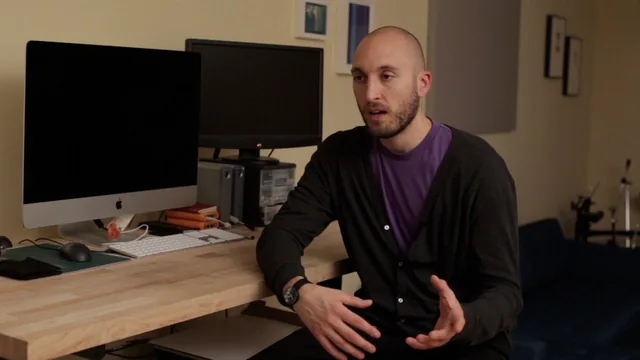
A designer turns his pizza obsession into a fake religious holiday, and the process matters more than the result.
Rich Greco's course is less a tutorial than a narrated walkthrough of one designer's own side project, the Feast of St. Pizza, a fake pilgrimage-slash-holiday built around eating at ten New York pizzerias in a day. At 14 minutes across five short lessons, it moves fast: pick an obsession, take a position on it, sketch toward a visual language, execute, get a little feedback, then produce the physical pieces. There is no software walkthrough and no slide deck of branding theory. What is on offer is closer to watching a working creative director think out loud about his own project after the fact.
The strongest material sits in the Position and Direction lessons. Greco's method for turning a vague interest into something workable is concrete: state an opinion you could argue for or against, not just a fact you like, then research an entirely unrelated domain for structure to borrow. He mines religious pilgrimage and Catholic symbolism, saints, relics, holy water, and grafts that scaffolding onto pizza to get a name, a narrative, and a visual system in one move. That cross-pollination trick, taking the form of one thing seriously enough to steal its logic for another, is the one idea in the course worth remembering on its own.
The sketching advice is also genuinely useful in a low-key way. Greco describes working on loose paper, moving fast without judging early attempts, and letting references surface naturally in the sketches rather than copying them directly. He credits a windshield flyer, an aggressive religious pamphlet he happened to find, as the tonal anchor for the whole project: cheap, sincere, a little unhinged. It is a good example of how a stray piece of ephemera can set a design brief's voice more effectively than a mood board.
Where the course runs thin is anywhere it brushes against process rigor. The Feedback lesson amounts to showing the work to one friend and moving on, with a Kurt Vonnegut quote standing in for actual critique methodology. Execution and Production lean heavily on show-and-tell: a color palette explained by two adjectives, a list of physical objects made, a story about vials from a taxidermy shop turning yellow because they weren't washed first. These are charming details, but they are anecdotes about what Greco did, not transferable techniques for how to do it.
The course is honest about what it is. It never promises brand strategy fundamentals, client work, or software instruction, and it does not try to pad the runtime pretending otherwise. Taken on those terms, it delivers a compact, personality-driven case study in project-based thinking, most valuable to someone who already has design chops and wants a nudge to turn a personal obsession into a finished, cohesive body of work. Anyone looking for a repeatable branding process or foundational technique will find the fourteen minutes too thin and too anecdotal to build on.
The standout
Treating an unrelated field's structure and symbolism as raw research material to reframe a personal obsession as a coherent brand system.
What you will learn
- How to convert a personal obsession into a defensible creative position and one-line project statement
- A cross-domain research method: mining an unrelated field, here religious ritual, for symbols and structure to borrow
- Loose, fast sketching to find a symbol before committing to color, type, or texture
- Using a found object, like a windshield flyer, as a tonal reference point for a whole visual system
- Building a checklist to force a project through to finished, consistent production rather than scattered pieces
- Getting informal feedback from one trusted or skeptical person before finalizing, without starting over
Best for: Working designers or art directors who already know software and want a fast case study in turning a personal project into a full identity system.
Skip it if: Beginners looking for step-by-step software tutorials, brand strategy fundamentals, or client-facing branding methodology.