
Learn to Fearlessly Mix and Use Color for Watercolor Painting
Anne Butera · Artist. Instigating creativity and joy.
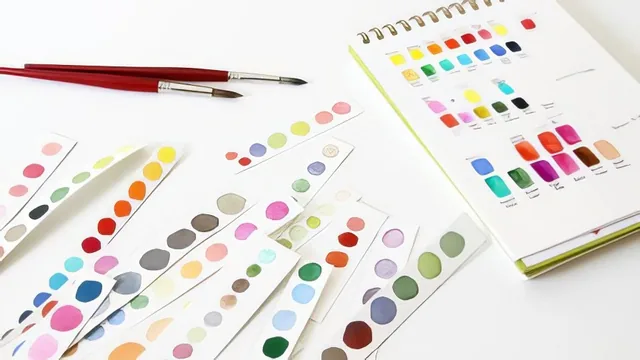
A gentle, technique-light color-play class that builds intuition through swatching rather than teaching any formal color theory.
A Class Built on Play, Not Theory
Anne Butera opens by explicitly rejecting the color-wheel-and-terminology approach that dominates most beginner color courses. Instead of explaining complementary colors or value scales, she hands the viewer a brush and a limited palette and says, in effect, watch what happens. That framing sets expectations correctly: this is an hour of guided experimentation, not a structured curriculum. Viewers hoping for a systematic breakdown of hue, saturation, and value will not find it here.
The materials lesson is refreshingly modest. Butera shows her own worn, mismatched palettes, several of them cobbled together from leftover pans and a hot glue gun, and makes the point that a large collection of paints is unnecessary. That message carries through the whole class: nearly every exercise limits itself to two or three colors to prove how much range is available without buying more tubes.
The swatch-chart exercise in the fourth lesson is a solid, teachable habit. Dragging a loaded brush across paper while adding water partway through produces a gradient from saturated to pale, and doing this for every red in a paint box reveals which ones lean warm or cool. It is a simple, repeatable practice that any beginner can adopt immediately, and the observation that wet paint looks noticeably different once dry is a useful, concrete warning against judging color mixes too early.
Mixing, Layering, and the Limits of the Format
The core of the class is the limited-palette mixing session, where blue, yellow, and small additions of red produce a long chain of greens, teals, terracottas, and warm grays. It is engaging to watch a mix drift color by color, but the lesson is almost entirely demonstration. There is no structured takeaway like a ratio, a named recipe, or a chart the viewer can reference later, so the value depends on the viewer actively mixing alongside rather than passively watching.
The two layering lessons are the most technically useful stretch of the course. Wet-on-wet shows colors bleeding into each other unpredictably, which Butera frames as something to control rather than lean into for her detailed botanical style. Wet-on-dry, by contrast, shows a second glaze sitting cleanly on top of a dried first color, shifting its warmth without disturbing its shape. This distinction directly explains why her botanical work stays crisp rather than muddy, and it is the one idea in the class with clear downstream application to actual paintings.
The closing color-matching lesson, where she mixes toward the yellows, oranges, and greens of a lipstick plant stem, is a nice glimpse of a working method but moves quickly and skips connecting the observation back to any teachable rule for matching color to a subject.
Verdict
This is a low-stakes, meditative class rather than a skills-building one. It succeeds at making color mixing feel approachable and unintimidating, which is exactly its stated goal, but it offers little structure, no finished painting, and no color theory scaffolding for viewers who want to understand why colors behave as they do rather than simply observe that they do. The lack of handout references or written recipes means most of the value evaporates unless the viewer mixes paint in real time alongside the video.
The standout
The wet-on-dry layering demonstration, showing how a transparent glaze of blue or yellow sits distinctly atop a dried color to shift its temperature without muddying it, is the most immediately reusable skill in the class.
What you will learn
- How to build gradient swatch charts to compare warm and cool versions of a single hue
- How to mix a wide range of greens, browns, and grays from just red, yellow, and blue
- The difference between mixing on the palette versus letting two wet colors blend directly on paper
- How wet-on-wet layering causes colors to bleed and merge versus wet-on-dry layering that keeps colors distinct and transparent
- How to observe a real subject and mix matching colors for a botanical painting, including secondary tweaks
- Why watercolor requires water rather than white paint to lighten a color
Best for: A true beginner who has never mixed watercolor before and wants a relaxed, exploratory way to build color intuition without memorizing theory.
Skip it if: Anyone who already understands basic color mixing or wants structured color-wheel theory, exact recipes, or a finished painting demo.