
Ink & Watercolor Magic: 5 Step By Step Drawing & Painting Illustrations
Yasmina Creates · Artist & Creativity Cheerleader
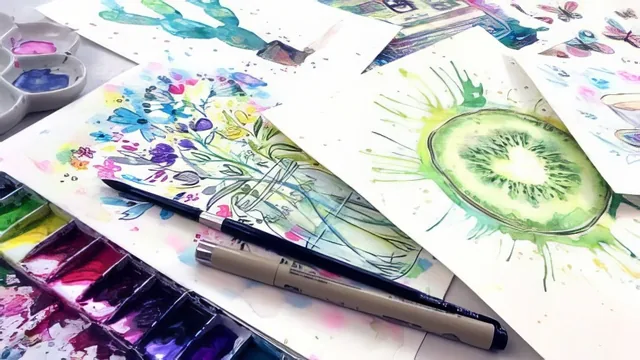
Five loose, watercolor-and-ink projects in 54 minutes teach a genuinely useful workflow but assume you already know how to hold a brush.
Yasmina Creates built this class around a simple structural idea: ink and watercolor can go in either order, and each order produces a different feeling. The first two lessons lay out that logic before any painting starts. Ink first gives you a coloring-book scaffold, forgiving for anyone nervous about watercolor because the shapes are already defined and pencil lines can be erased once the ink is dry. Watercolor first lets the paint do the emotional heavy lifting, with ink added afterward only to sharpen contrast and pick out detail. The class does not pretend one approach is superior. It walks through both, then spends the rest of its runtime showing how the two rules bend and blur in practice.
The five projects
The cactus, kiwi, wildflower jar, teacup, and camera illustrations are not random subject choices. Each one isolates a different technical problem. The cactus is a wet-in-wet color-blending exercise dressed up as a houseplant. The wildflower jar tackles overlapping loose shapes and reactivating dried paint to suggest submerged stems in water. The teacup is the most technically interesting of the five: it teaches painting shadows first in transparent color, then glazing a decorative pattern on top so the pattern appears shaded without any extra shadow work. That layering trick, painting the light and dark zones before the surface detail exists, is the kind of specific, transferable technique that separates a real lesson from a demo reel.
The rainbow camera closes the course with a deliberate detour into looseness, offering a tracing outline for anyone unwilling to draw the object freehand, then encouraging wild, overlapping color outside the lines with markers and colored brush pens instead of black ink. It is the least disciplined project in the set and reads as a palate cleanser after four more careful pieces.
What works and what does not
The instruction is dense with small, actionable rules: keep pencil lines light because they cannot be erased under watercolor, test every ink and marker for waterproofing before committing to a piece, use two water containers so a dirty brush never muddies a fresh color, dry the paper partway rather than fully before splattering for softer-edged dots. These are the kind of details that separate someone who has actually made mistakes with these mediums from someone reciting theory, and they accumulate into a genuinely useful toolkit by the end.
The course is explicit that watercolor beginners benefit most, and it means it. The supplies lesson references an entirely separate class on watercolor basics and assumes the viewer already understands paint-to-water ratios and basic terminology. Someone who has never touched a paintbrush will find the pace of the wet-in-wet demonstrations too fast to absorb technique, since the emphasis throughout is on following along with a finished illustration rather than isolating and drilling one skill at a time.
At 54 minutes across eleven short lessons, this sits closer to a focused afternoon project than a comprehensive course. It does not cover color theory, brush control fundamentals, or composition in any depth, and it says so upfront. What it delivers instead is a tight, well-sequenced set of five illustrations that demonstrate a real working method, ink and watercolor traded back and forth deliberately rather than treated as separate mediums. For anyone who already has a little watercolor mileage and wants to see how a professional actually combines the two, it earns its short runtime.
The standout
The teacup lesson's method of painting shadows first in transparent color so later patterns glaze over them and appear pre-shaded on their own.
What you will learn
- When to ink first versus paint first and why each order changes the result
- How to build a wet-in-wet watercolor wash and drop in secondary colors before it dries
- How to use waterproof brush pens and technical pens for line variation versus clean outlines
- How to layer glazes over dried shadows so patterns read as naturally shaded
- How to rescue overworked puddles with a dry brush or paper towel
- How to finish a piece with white gel pen highlights and small dot clusters for shine
Best for: Watercolor beginners or hobbyists who already know basic brush control and want a fast, loose introduction to combining ink with paint.
Skip it if: Absolute beginners with no watercolor experience at all, since the teacher explicitly assumes basic technique and points elsewhere for fundamentals.