
Indoor Gardening: Grow Houseplants, Veggies, and Herbs
Ekta Chaudhary · Garden Up
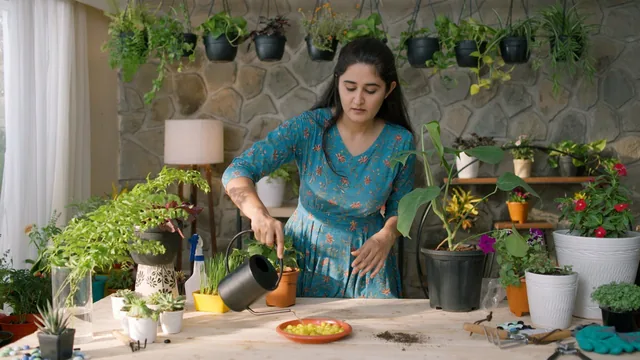
A tight 49-minute primer on soil, light, and watering that packs in seven plant categories without padding.
Ekta Chaudhary's course does what a 49-minute beginner class should do: it covers the four inputs every houseplant needs (pot, soil, water, light) before moving into named plants, then closes with edible crops. The arc is logical. Lesson two spends the most time on fundamentals, teaching a hands-on soil test where a viewer forms a ball and then a snake out of damp soil to judge clay and silt content, then corrects drainage with perlite or coco peat. That single technique, done with materials most people can find without a garden store, sets a practical tone for everything that follows.
The plant recommendations are organized by light condition rather than by plant family, which is the right call for indoor growers who cannot change how much sun falls into a room. Bright-space picks include rubber plant, aloe vera, and fiddle leaf fig; medium-to-low picks include pothos, monstera, and snake plant. Each recommendation comes with a specific care cue, such as the "sticky finger" test for judging soil moisture, rather than a rigid watering calendar. That instinct-building approach is more useful long-term than a schedule that will not match every home's temperature and airflow.
Where the course delivers
The propagation segment is the most transferable skill in the class. Cutting below a node, rooting it in water for roughly a week, and then potting it once an inch of root has formed is demonstrated on pothos, mint, and snake plant, and it is genuinely the cheapest way to multiply a home collection. The tomato lesson is similarly concrete: slicing a ripe tomato, planting the slice with its seeds intact, and later pruning side branches so the plant channels energy into fruit. Microgreens get their own lesson, using fenugreek, mustard, and beetroot seeds in a repurposed takeaway container, which suits anyone without outdoor space.
Troubleshooting is woven throughout rather than saved for the end. Yellow leaves as a stress signal, root shock after transplanting a cutting, fungus from overwatering microgreens, and a neem oil and soap spray for aphids and mealybugs all get direct, practical fixes.
Where it falls short
At under an hour, the course trades depth for breadth. Seven plant categories in seven lessons means each edible or ornamental gets only a couple of minutes, so anyone wanting real detail on pest cycles, fertilizer ratios, or long-term care will need to look elsewhere after finishing. The flower lessons on perennials and seasonals are the thinnest stretch, listing plants like bougainvillea, hibiscus, vinca, petunia, and marigold quickly without much room to explain deadheading or pollinator strategy beyond a sentence or two. Viewers outside tropical climates will also need to translate some guidance, since the tomato and flowering timelines are pitched around conditions found in Mumbai and may need adjusting for colder or drier regions.
The teaching voice is a genuine strength. Chaudhary's ecology background surfaces in small, useful asides, like the explanation of why LED light grows foliage well but not flowers, without ever slowing the pace into a lecture. For a true beginner deciding whether they can keep anything alive indoors, this class supplies enough structure and troubleshooting instinct to get started, even if it stops short of being a reference to return to.
The standout
The node-cutting propagation method, shown across pothos, mint, and snake plant, gives beginners a repeatable way to multiply plants for free.
What you will learn
- How to read soil composition with a simple ball-and-snake test and mix a three-part potting blend from coco peat, garden soil, and compost
- How to judge light levels in a room and match them to specific houseplants like pothos, ZZ plant, snake plant, and fiddle leaf fig
- How to propagate cuttings from a node, root them in water, and transplant them into soil
- How to start tomatoes from a sliced fruit, prune side branches, and fertilize on a schedule
- How to grow microgreens from fenugreek, mustard, and beetroot seeds in a repurposed container
- How to troubleshoot common problems like yellowing leaves, root shock, fungus, and pests with neem oil solution
Best for: Complete beginners in small apartments who want a fast, practical orientation to houseplants and a few easy edibles without any prior gardening vocabulary.
Skip it if: Anyone who already composts, has grown tomatoes outdoors, or wants in-depth pest management and yield-focused vegetable gardening advice.