
Gouache for Illustrators - Create a cute Animal Portrait
Romica Jones · draws - Illustration / Meditation
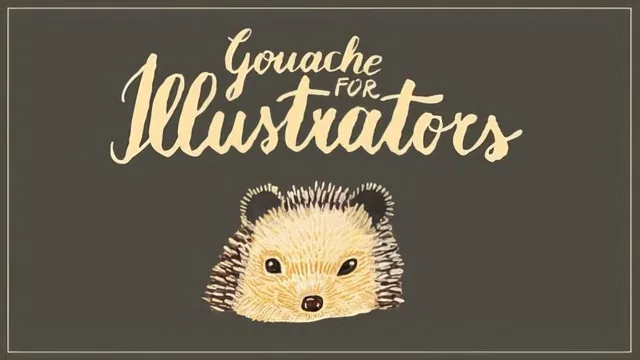
A short, structural guide to gouache technique wrapped around a single cute-animal painting demo, better for fundamentals than variety.
A fundamentals-first structure
Gouache for Illustrators opens with seven short lessons under the "Gouache 101" banner before any brush touches paper, and that sequencing is the course's clearest strength. Romica Jones walks through what gouache actually is (an opaque, water-reactivating paint that dries to a flat matte finish), what materials are worth buying, and the three mistakes she considers universal among beginners: wrong paper, wrong paint type, and impatience. Each of those three problems then gets its own dedicated video. The paper lesson is the most useful of the set, laying out concrete questions to ask before a purchase, such as how much water the artist plans to use, whether the paper is acid-free, and whether a hot-press or cold-press surface suits the intended level of detail. The paint lesson distinguishes artist-grade, designer, and acrylic gouache by fade-resistance and reactivation, and is direct about which one Jones uses for her own commercial illustration work and why.
Only after this groundwork does the course move into the promised project: a cute animal portrait. The middle stretch, covering painting preparation, the concept of cuteness, sketching, and three painting stages, forms the practical core, though the pacing here is looser than the 101 section. The bonus videos, a deer and squirrel talk-through and a dedicated mistake-correction lesson, run long and are presented as casual, real-time demonstrations rather than tightly edited tutorials.
What the demonstrations actually teach
The talk-through videos are where the course either earns its keep or loses a viewer's patience, depending on what that viewer wants. Jones narrates her process in real time: testing brush consistency by dipping first into water then paint, building color swatches to check opacity before committing to the actual painting, and rotating the paper as she works to keep brushstrokes flowing naturally. The correcting-mistakes lesson is genuinely instructive precision work, showing how she diagnoses a misaligned eye by holding the painting against light or turning it upside down, then rebuilds the area in white before repainting rather than discarding the piece.
The tradeoff is that these sessions are unscripted and meandering. Jones talks through indecision, background noise, and personal tangents alongside the technique, which stretches runtime without adding instructional density. A viewer looking for a crisp, replicable step sequence will need to extract the useful moments themselves rather than follow a tightly cut demonstration.
Where it lands
At 71 minutes across seventeen numbered lessons, the course reads as a technique primer with one worked example rather than a broad skills course. It never shows brush-loading fundamentals from a totally blank slate, and the actual step-by-step painting lessons are thin compared to the material-selection lessons that precede them. Someone who has never touched gouache before will get real value from the first third alone, particularly the paper and paint-type guidance, which is specific enough to change a shopping list. Someone hoping for a wide range of animal subjects or a brisk, editing-heavy tutorial will find the pacing frustrating. As a foundation-building class with one honestly demonstrated project, it does what it sets out to do, even if the demonstration itself asks for patience matching the very quality it keeps preaching.
The standout
The correcting-mistakes bonus lesson, which shows how to rescue a painting with wrong eye placement or muddy color by reworking it in white and brown rather than starting over.
What you will learn
- How to judge and buy paper by weight, texture, and water-absorption for gouache work
- The practical differences between artist-grade, designer, and acrylic gouache and when to choose each
- How to test paint consistency and color on scrap paper before committing to a painting
- Two sketching approaches for building a rounded, cute animal head shape
- How to layer gouache colors and build fur texture with directional brush strokes
- How to fix and rework mistakes in gouache without restarting the painting
Best for: A beginner who already owns basic gouache supplies and wants a structured primer on paper, paint types, and patience before attempting their own animal illustration.
Skip it if: Anyone wanting fast-paced, tightly edited step-by-step painting instruction, since the demo lessons run long and unscripted with frequent tangents.