
Going Pro with Portrait Photography: How to Turn Your Photography Hobby into a Job
Sean Dalton · Travel Photographer
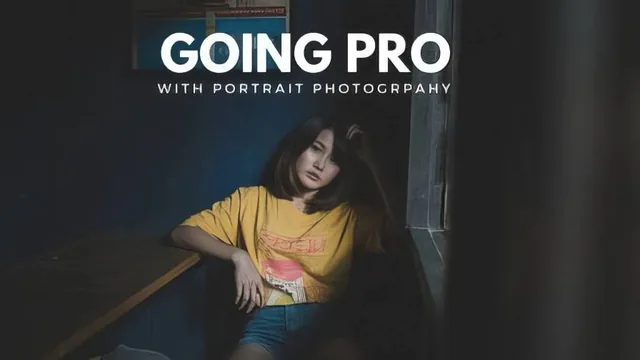
Sean Dalton's 79-minute portrait course delivers real word-of-mouth marketing and pricing tactics but skips lighting theory and business fundamentals a true beginner needs.
Sean Dalton's course promises a fast track from hobbyist to paid portrait photographer, anchored by his own story of going from a $60 first shoot to $4,000 a month within six months. It delivers on the business side of that promise more than the craft side, and the gap between those two halves is the course's defining feature.
The Business Arc
The course's real spine is the client pipeline: build a themed portfolio for free using friends and family, market through Instagram and word of mouth rather than paid ads, lock down a client with a short conversation about their needs, shoot, then run proofs through Shootproof so the client selects favorites before any editing happens. This sequencing is genuinely practical. Dalton is specific about mechanics, down to exporting low-resolution jpegs at quality setting 10 for the proofing gallery and marking client favorites as five stars in Lightroom for the edit pass. The pricing section is the strongest single stretch, laying out session-based tiers by experience level (roughly $25 to $75 an hour for beginners, up to $150 and beyond for advanced shooters) and walking through the reasoning: your skill level, what competitors charge, and the value you're delivering to the client. Charging per session rather than per hour, so a shoot running long doesn't inflate the price, is a small but useful piece of trade wisdom.
The Shoot Itself
The filmed shoot with a client named James is where the course earns its keep as a demonstration rather than a lecture. Dalton talks through why a cloudy day produces soft diffused light through a cafe window, why the cafe's white walls bounce neutral light onto the subject instead of tinting it, and why he and his subject avoid red or green clothing that would reflect color onto skin at close focal lengths. He shoots on an 85mm f/1.4 specifically to blur the background and isolate the subject, and he shows the trick of pre-scouting poses on Pinterest and screenshotting them for reference during a shoot. The editing walkthrough in Lightroom, adjusting the luminance slider to fix orange skin tones, syncing settings across similarly-lit frames, and applying named presets like Contemporary Contrast, is a reasonable primer for someone who already owns Lightroom.
Where the course falls short is in exactly the technical foundation a true beginner would need before any of this makes sense. Aperture, exposure, and how a camera meters light get mentioned only in passing, folded into a broader claim that technical skill "comes with time." Gear recommendations are similarly thin. For a beginner-level course, this is a real gap: a viewer with no camera literacy will walk away understanding the client relationship far better than they understand how to actually expose and compose the portrait.
The soft skills throughout, staying confident and talkative during a shoot, complimenting a client to help them relax, following up weeks later for testimonials and social shares, are the connective tissue that makes the business advice credible. None of it is complicated, but it is consistently specific rather than vague, which is more than many courses at this length manage. Anyone already comfortable behind a camera and looking for a repeatable client process will get real value here. Anyone still learning what their camera's dials do will need a different course first.
The standout
The live cafe shoot demonstrating how window light, wall color, and clothing choice combine to control a portrait's mood is the course's most concretely useful lesson.
What you will learn
- Build a themed free portfolio (business, graduation, fashion portraits) using Squarespace, Wix, or Adobe Portfolio
- Structure a full client workflow from marketing through contract, shoot, proofing, editing, and delivery
- Send low-resolution proofs via Shootproof so clients pick favorites before final editing
- Set session-based pricing tiers by skill level (student $25-75/hr up to advanced $150+/hr)
- Direct a subject through natural posing, compliments, and light conversation to produce relaxed portraits
- Follow up with clients after delivery for testimonials, social shares, and portfolio permission
Best for: Hobbyist photographers with working camera skills who want a business roadmap for turning portrait sessions into paid work.
Skip it if: Complete beginners needing camera fundamentals, aperture, or lighting theory explained from scratch.