
Gesture / An Introduction to the Art of Figure Drawing
Brent Eviston · Master Artist & Instructor
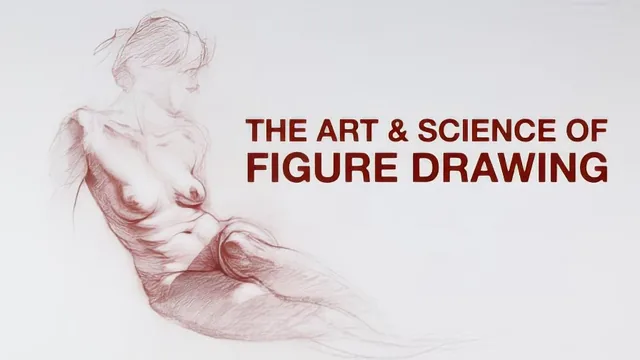
A rigorous 11-hour figure drawing course built almost entirely around one instructor's own gesture method, not a survey of approaches.
Gesture is not a course about loosening up with quick sketches. It is a methodical, anatomy-forward system for building the human figure from the inside out, taught by an instructor who has clearly refined this sequence over two decades of classroom teaching. At over eleven hours across nineteen lessons, it treats gesture drawing as a discipline with rules, landmarks, and a repeatable process rather than a loose warmup exercise.
Structure and Method
The course moves through the body region by region: the primary action line first, then axis lines, the torso, the legs, the feet, the arms, and the hands, each lesson paired with a timed practice reel. This is the course's real backbone. Rather than showing a finished gesture drawing and hoping students absorb it by osmosis, each lesson isolates one structural idea, most notably the two-chambered torso (a vertical oval for the rib cage, a horizontal oval for the pelvis, connected by tilting axis lines) and shows how it explains compression on the active side of a pose and stretch on the passive side. That single shape recurs constantly and becomes the throughline that ties every later lesson back together.
The pedagogical logic is sound: soft, light exploratory lines first, then progressively darker and more committed marks as forms are confirmed. This "layers of confidence" approach, where a viewer could look at a drawing in progress and tell which lines are early guesses and which are refinements, is a genuinely useful habit that many self-taught artists never develop. The course also insists on constant proportional comparison between body parts (the malleolus to the knee, the foot to the lower leg) rather than relying on memorized "average" ratios, which pushes students toward real observation instead of formula.
Strengths and Limitations
The anatomical vocabulary is a strength and a mild burden at once. Latin terms for bone landmarks (acromion process, malleoli, phalanges) are introduced throughout, with reassurance that memorization is not required, but a student without any prior anatomy exposure will still need to slow down and rewatch sections to keep the terms straight. The instructor's own drawing demonstrations, done with colored pencil and a large drawing board, are detailed enough to follow stroke by stroke, and the emphasis on drawing with the whole arm rather than the wrist is a small but meaningful technical correction many beginners never receive.
Where the course is honest about its limits is also where it earns trust: it repeatedly states this is not a beginning drawing course, and that students without basic shape, measuring, and shading skills should go back to more fundamental material first. That gatekeeping is appropriate given the pacing, since a true novice would likely drown in the anatomical density from the second lesson onward.
The nude model content is handled directly and appropriately, framed as necessary for real figure drawing training rather than gratuitous. The practice reels themselves are austere, just timed countdowns with reference poses, which is exactly what they should be, though it means the actual value of the course lives entirely in the demonstration lessons rather than the reels. For an artist ready to commit real repetition to it, the course delivers a coherent, reusable system rather than a loose collection of tips.
The standout
The two-chambered torso shape, an oval for the rib cage and an oval for the pelvis linked by axis lines, gives students a single reusable tool for reading twist and weight shift in almost any pose.
What you will learn
- How to reduce complex body forms into simplified directional lines and two-chambered torso shapes before adding detail
- How to identify and use the primary action line to establish a pose's overall movement
- How to locate and draw from anatomical landmarks like the malleoli, scapula, and metacarpal heads without needing to memorize full anatomy
- How to build a gesture drawing in stages, from soft light exploratory marks to darker refined contours
- How to add a simplified line of termination and basic shading to give a gesture drawing a finished, dramatic feel
- How to time and pace drawing sessions against short, timed poses ranging from 30 seconds to 15 minutes
Best for: Artists who already have foundational drawing skills (basic shapes, measuring, contour, shading) and want a structured, anatomically grounded path into figure drawing specifically.
Skip it if: Complete beginners to drawing in general, or anyone looking for a quick, casual overview rather than a slow, repeat-and-practice anatomical study.