
From Blog to Business: Content, Community, and Working with Brands | Learn with Bloglovin'
Morgan Kaye · VP Community & Support, Bloglovin'
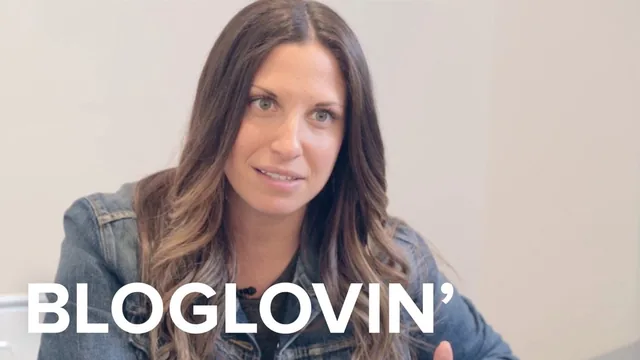
A tight 21-minute overview from a Bloglovin' insider, useful for orienting yourself but too broad to actually teach you how to land a sponsorship deal.
Morgan Kaye's class promises to show bloggers how to turn a blog into a business, and it delivers exactly the overview its 21-minute runtime allows: a three-act structure moving from content, to social community, to monetization, each act summarized in a few minutes and illustrated with real bloggers rather than hypotheticals.
The content section is the most concrete of the three. Kaye recommends an editorial calendar, a posting cadence of one to three times a week, and six months to a year of consistent output before expecting a brand to take a blogger seriously. The section leans on case studies to make its point about evolving a niche: Emily Schumann's shift from fashion blogging to family content on Cupcakes and Cashmere, and Lindsey's rebrand from a beauty blog to the fitness-focused CALLA in MOTION. These examples do real work, showing that a blog's topic is not fixed and that audiences can grow along with a writer rather than abandon them.
The social section is where the class is most honest about its own limits. Kaye states plainly that there is no universal answer for how many platforms to run or how often to post, only a need to "test the waters" and watch the analytics. That is fair advice, but it is also advice any blogger could arrive at without a class. The one specific data point offered, that Bloglovin' saw engagement drop after four Instagram posts a day, is useful context but narrow, since it reflects one platform's algorithm at one point in time rather than a transferable rule.
Monetization is the section viewers are presumably here for, and it is also the thinnest. Kaye distinguishes standard banner ads (paid by CPM or CPC) from sponsorship deals, where the blogger creates the assets rather than the brand supplying them, and argues sponsorship pays better because it stays authentic to a blogger's voice. The practical guidance that follows is a sentence or two per idea: build a media kit, send a brand a sample of the content you would create rather than a bare request, expect rates anywhere from fifty dollars to fifty thousand, and consider a manager once opportunities get overwhelming. None of these gets a worked example. There is no sample outreach email, no media kit template, no rate calculation walked through on screen.
What the class does well is orient a total beginner to the shape of the path ahead and hand them a short list of real accounts to study further, including Smitten Kitchen and Le-happy. What it does not do is teach a skill anyone could not already guess, which is the gap between an "overview" and an actual how-to course. Anyone who finishes this class still needs to find the specific instruction on writing a pitch, pricing a sponsored post, or building a media kit elsewhere. As a first fifteen minutes of orientation before that deeper work, it earns its short runtime. As a course on monetizing a blog, it stops right where the real work begins.
The standout
The advice to always send a brand a concrete example of the sponsored content you'd create, rather than a generic outreach pitch, is the one tactic worth remembering.
What you will learn
- How to structure a blogging content strategy around an editorial calendar and a posting cadence of one to three times per week
- How to evolve a blog's niche over time without losing an audience, using real blogger case studies as models
- How to choose which social platforms fit a given content type and audience demographic
- How to read engagement signals (likes, comments, shares) to figure out what content is actually working
- What a media kit is and why it matters when pitching brands for sponsored content
- The rough dollar range sponsored posts pay and when to consider hiring a manager
Best for: A beginner blogger with an established niche and some published posts who wants a map of the path from content to income before diving deeper elsewhere.
Skip it if: Anyone who already blogs professionally or wants an actual walkthrough of writing a pitch email, building a media kit, or negotiating a sponsorship rate.