
Fashion Coolhunting
AGUS CATTANEO
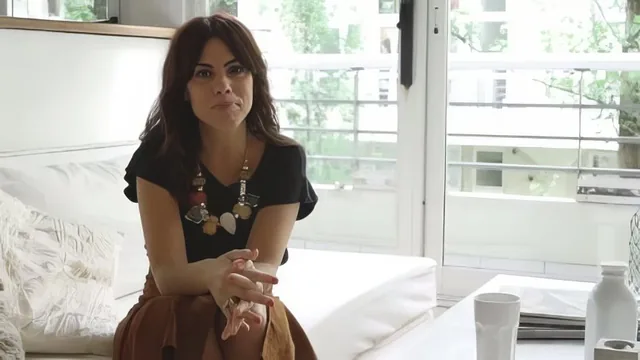
A working fashion coordinator maps out exactly where trends come from, but the payoff depends entirely on tools most viewers cannot access.
A coordinator's map, not a skill-builder's workshop
Fashion Coolhunting is built around the career of a working fashion trend coordinator who spent years producing seasonal trend reports for a major South American department store chain, and the course is essentially a guided tour of her professional workflow. It opens with a personal introduction, moves through a long inventory of where trend information comes from (magazines, blogs, movies, museums, seminars, tradeshows, runway shows, street style), then pivots to what to do with all of that raw material: build a toolkit, sharpen observational habits, and process the data into a usable report. The final third walks through an actual inspirational trip and an "evidence wall," ending in a fashion timeline and a self-directed final project centered on launching a blog.
The strongest material sits in the middle. The breakdown of forecasting platforms like WGSN and the Doneger Group is detailed almost to the point of being a screen-recorded product demo, covering how catwalk analysis, color stories, retail intelligence, and visual merchandising inspiration are organized inside those tools. That level of specificity is genuinely useful for understanding how professional trend forecasting is structured, but it comes with an asterisk: these are expensive subscription services most students will never touch, so a meaningful chunk of the course functions as a window into someone else's toolkit rather than a set of instructions the viewer can act on immediately.
The evidence wall segment is where the course earns its keep. Watching fabric swatches get cut and pinned next to Pantone chips, street photos, and runway stills until a color story clicks into place is a rare, concrete demonstration of how trend forecasting actually happens on a wall or table, not just in a slide deck. Paired with the two inspirational-trip walkthroughs, where the pattern of photographing garment details, color combinations, and store window displays gets repeated and reinforced, this section gives viewers something they can genuinely replicate on their own next shopping trip or city walk.
Where it falls short
The course leans heavily on the instructor's personal anecdotes and career story, which builds credibility but also eats into instructional time that could go toward more actionable exercises. There is no instruction on sketching, illustration, garment construction, or trend forecasting software beyond browsing existing platforms, so anyone expecting hard design skills will be disappointed. The lesson list also promises more granular structure than the delivery provides. Many topics blur together in a conversational, unscripted style, and the pacing sometimes drifts into long stretches of platform screen-sharing that will feel repetitive on a second pass.
The final project, built around launching a personal blog with assignments like mood boards, campaign analysis, and neighborhood reports, is well-conceived and genuinely useful busywork for building an observational habit. It rescues the course from being pure inspiration and gives it a practical spine. Overall, this works best as an orientation to how trend forecasting professionals think and organize information, not as a skills course that builds new technical capability from scratch.
The standout
The evidence wall method, physically pinning fabric swatches, Pantone chips, and street photos together until a coherent color story emerges before anything goes into a digital report, is a concrete, transferable technique.
What you will learn
- How to build a personal trend-scouting toolkit from magazines, blogs, museums, tradeshows, runway shows, and street style
- How professional forecasting platforms like WGSN and Doneger organize seasonal data into mood boards, color palettes, and catwalk reports
- How to shoot and use street style photography as a primary research source
- How to build an evidence wall that layers fabric swatches, Pantone chips, and street photos into a cohesive color story
- How to turn scattered inspiration-trip photos and physical samples into a structured trend report
- How to plan a self-directed fashion blog project using mood boards, campaign analysis, and neighborhood reports
Best for: Aspiring fashion merchandisers, buyers, or design students who want a working professional's mental model for scouting and organizing trend research.
Skip it if: Anyone hoping to learn illustration, garment construction, sketching technique, or software skills, since none of those are addressed here.