
Entrepreneurship Hustle: From Business Plan to Real Success
Michael Chernow · Co-founder: The Meatball Shop | Founder: Seamore's
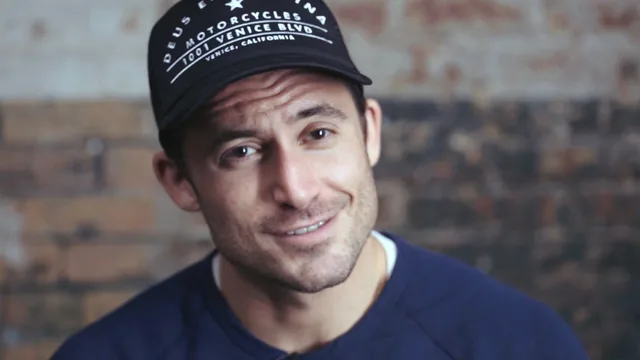
A restaurateur's raw, story-driven download of what it actually takes to open a restaurant, from menu to exit.
Michael Chernow built two very different restaurants, The Meatball Shop and Seamore's, and this course is his attempt to reverse-engineer what he did into a repeatable process. It runs ten short lessons in under an hour, moving from initial idea to pitch to opening day to what success looks like five years out. The pacing is brisk, almost too brisk for how much ground it covers, but the arc holds together because Chernow keeps returning to the same throughline: a restaurant is a people business first and a food business second.
The strongest stretch is the front half, on concept and the business plan. Chernow's "five restaurant cluster" observation, that most diners cycle through only five places they actually love, sets up a clear design constraint: you are not competing for occasional visits, you are competing for a permanent slot in someone's rotation. From there he walks through concept development in a genuinely practical order, menu first, then a mood board of as few as twenty images, then team, and only then the business plan itself. The plan breakdown, executive summary, sales projections, management, concept description, corporate structure, market research, and financials, reads like something drafted from real investor meetings rather than a textbook template, right down to the advice that investors skim the summary and jump straight to the numbers.
Where the specifics land
The location lesson is where the course earns its keep on detail. The 200-foot rule near churches and 500-foot rule near schools for liquor licensing, the difference in rent between a corner and an inline space, and the real dollar range for a sidewalk cafe permit are the kind of facts a generic entrepreneurship course would never include. Chernow's account of putting $110,000 of his own money into Seamore's before capital was fully committed also gives the "put skin in the game" advice actual weight instead of leaving it as a platitude.
The culture and customer experience lessons are more anecdotal than instructional. The 60-to-70-minute table cycle, the mandate that every manager greet every staff member on arrival, and the decision to close on Christmas and Thanksgiving every year are vivid and specific, but they describe Chernow's culture rather than teaching a transferable method for building one. A viewer walks away knowing what his restaurants do, not necessarily how to design their own version of it.
Honest limits
This is a narrow course. It is restaurant-specific almost to a fault, with liquor license distances and check averages that will not transfer to a retail shop or a service business, despite Skillshare's framing as broader small-business advice. There is no worksheet, template, or financial model provided, so the promised business plan structure has to be taken as notes rather than a usable document. The closing project, share your concept, is thin for a course this dense in earlier material.
What it delivers well is candor. Chernow talks about raising money from fourteen investors on his first restaurant, taking a real financial risk on his second, and hiring on a smile rather than a resume, and none of it feels like a marketing pitch. For someone seriously weighing whether to open a restaurant, that honesty is worth more than a polished framework.
The standout
The five-restaurant-cluster insight, that most diners rotate between only five spots, reframes the whole course around designing for repeat habit rather than one-off visits.
What you will learn
- How to build a restaurant concept from menu, mood board, and team before writing a business plan
- The structure of an investor-ready business plan, from executive summary to five-year financials
- How to pitch and raise money from friends, family, and early investors, including how many investors to take on
- Practical location rules such as liquor license distance limits and corner versus inline rent tradeoffs
- How to define brand versus culture and implement it through training, meetings, and rituals
- How to read success at one month, three months, six months, and a year using revenue and cost signals
Best for: First-time restaurant or cafe founders who need a grounded, real-world walkthrough of concept, pitch, and culture before they write a business plan.
Skip it if: Anyone outside food and hospitality, or anyone wanting spreadsheets, templates, or step-by-step financial modeling rather than narrative advice.