
Culinary Education 101 - The Cooking Like a Chef Crash Course
Chef Rudakova · Chef & Culinary Artist
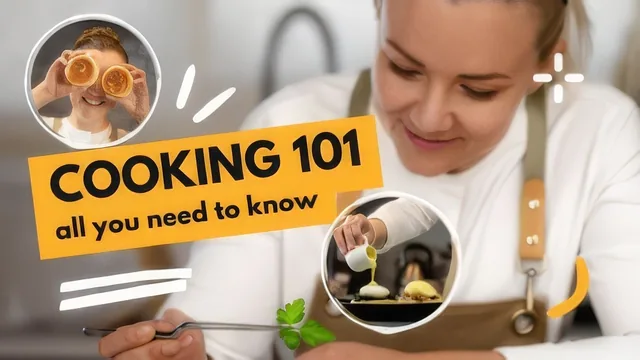
This course teaches the theory chefs rarely explain, not another 20 recipes, and covers it in 90 minutes flat.
Culinary Education 101 sets out to do something most cooking classes avoid: teach the reasoning behind technique rather than a stack of recipes. Chef Rudakova states this intent directly in the opening lesson, and the course structure backs it up. Across nine core lessons, a bonus lesson, and an extra knife-sharpening tutorial, it moves through workstation setup, flavor building, nutrition basics, stocks, sauces, baking, patisserie, sustainability, and plating, using short demonstrations to anchor each concept rather than walking through full recipes start to finish.
Where the course earns its keep
The strongest material sits in the first half. The lesson on essential skills is unusually specific: it walks through an actual mise en place setup, right down to which side of the body a knife, towel, or rasp should sit on depending on handedness, and explains why speed in a kitchen is a function of organization plus practice, not just knife skills. The flavor lesson that follows builds a genuinely useful mental model, framing a dish around a primary ingredient and secondary supporting flavors, and walking through a chicken breast example to show how a searing method, a seasoning choice, and an accompanying veloute sauce all have to defer to the main ingredient rather than compete with it.
The baking lesson is the clearest standout. It introduces baker's percentages, the practice of expressing every ingredient as a percentage of flour weight, and shows how that turns a fixed recipe into a scalable formula. Combined with a breakdown of flour types by protein content and gluten development, from bread flour down to cake flour, this section gives a beginner enough vocabulary to understand why a recipe fails rather than just what to do differently next time. The plating lesson closes out the practical material well too, with concrete rules like limiting a plate to three colors and always keeping cuts and garnishes in service of a single main ingredient.
Where it falls short
The course's ambition, covering an entire culinary education in 93 minutes, is also its main limitation. Nutrition, sauces, sustainability, and molecular gastronomy techniques like sous vide, confit, and smoking are each given only a few minutes, enough to define terms and drop a memorable example but not enough to build real skill. The sustainability lesson in particular stays abstract, framing the topic around people, profit, and planet without giving cooks a concrete next step to act on. The bonus lesson on flavor elevation technique moves through a dozen distinct methods, curing, dehydration, infusion, smoking, in rapid succession, which works as a reference list but not as instruction.
The course also assumes a working level of kitchen fluency it does not explicitly require. Terms like veloute, gelatin blooming, and tempering chocolate appear without much setup, and a viewer with zero cooking background will likely lose the thread during the patisserie and sauce lessons.
As a survey of culinary theory, this holds up well for its length. It is not a course that teaches someone to cook from nothing, and it does not claim to be. What it does well is give an already-cooking home cook or an early culinary student a vocabulary and a way of thinking, primary versus supporting flavor, baker's percentage, the three P's of sustainability, that turns recipe-following into something closer to actual technique. The final knife-sharpening lesson, oddly tacked on at the end, is a genuinely practical bonus on its own and worth watching regardless of interest in the rest of the material.
The standout
The baking lesson's explanation of baker's percentages, converting a bread recipe into ratios against flour weight so it can be scaled and diagnosed rather than followed blindly, is the one piece of theory that changes how a cook reads any recipe afterward.
What you will learn
- How to set up a workstation and mise en place for speed and consistency
- How to build a balanced flavor profile around a primary ingredient and supporting flavors
- The six nutrient categories and how cooking methods affect them
- Baker's percentages and how flour protein content determines gluten structure and bread texture
- Seven core rules of food plating, including color limits and cut size
- How to sharpen a knife properly using progressively finer wet stones
Best for: Home cooks who already know their way around a stove and want the underlying logic of flavor, baking, and plating rather than more recipes to copy.
Skip it if: Absolute beginners who have never handled a knife or run a pan, since the course assumes basic kitchen fluency and moves through dense theory without slowing down for fundamentals.