
Create The Most Powerful Sourdough Starter: Intro To Baking Bread & Pastries
Marceau Dauboin · Artisan Baker/Owner at The Yeastie Bois
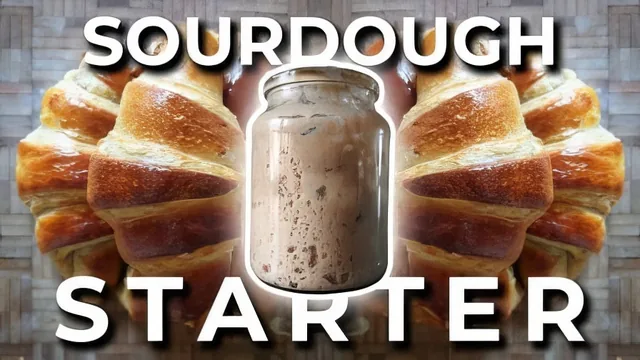
An eight-lesson, twelve-minute primer that teaches exactly one skill, building and feeding a rye sourdough starter, with nothing about baking bread itself.
A narrow, honest starter guide
This class promises an introduction to sourdough baking and, strictly measured against that promise, undersells itself. What it actually delivers is a single, well-defined task: building a rye flour starter from nothing and keeping it alive for a week. There is no bread in this course, no shaping, no oven. The croissants and bagels mentioned in the welcome lesson belong to other classes in the instructor's catalog, not this one. Once that scope is clear, the class becomes easy to judge on its own terms.
The structure is sound. It opens with two optional context lessons, flour types and hygiene, then moves into a day-by-day walkthrough: introduction, day one, day two, a shared formula for days three through six, and a final lesson on ongoing maintenance after day seven. That daily cadence mirrors how a real starter actually develops, and framing lessons around the calendar of fermentation is the right pedagogical choice for a process that unfolds over a week rather than a single sitting.
The flour lesson is more useful than its "skip if you're a beginner" framing suggests. It walks through cake flour, bread flour, whole wheat, all-purpose, and rye, explaining gluten content and how each behaves in dough, and it makes a specific, defensible case for rye in a starter: low gluten means the culture won't over-rise and strain against its container, and unbleached flour retains more moisture, helping the starter last. That is a concrete technical justification, not a vague preference.
The core starter mechanics hold up well too. The instructor explains the logic behind discarding most of the starter before each refresh, since a large volume of already-mature yeast will outcompete the fresh flour's nutrients if not thinned first. The jar-marking method, weighing the empty container and writing that number in permanent marker, solves a real, easy-to-overlook problem: without it, there is no way to know how much starter remains in the jar before adding more flour and water. Measurements are given in both grams and imperial units throughout, which keeps the recipe usable regardless of a baker's kitchen setup.
Where the course falls short is depth and troubleshooting. Beginners keeping their first starter run into mold, hooch, unpleasant smells, or a culture that seems dead, and none of that gets addressed. The guidance to "increase the temperature" if activity seems low is the closest thing to troubleshooting offered, and it is thin. The hygiene lesson, while reasonable, spends more time distinguishing soap from disinfectant than addressing starter-specific contamination risks. At twelve minutes across eight lessons, several lessons run under two minutes, which keeps things efficient but leaves little room for nuance or for showing what a healthy versus struggling starter actually looks like.
As a standalone product, this works best as a quick, low-commitment entry point rather than a comprehensive bread course. Paired with the included PDF reference and the promise of follow-on classes for actual recipes, it functions more like a prerequisite module than a complete class. Anyone expecting to come away with a loaf, or even a clear sense of how a starter converts into bread, will find the ending abrupt. Anyone who just wants a starter alive and fed by next weekend will get exactly that.
The standout
The jar-weight marking method, recording the empty jar's weight in permanent marker so every future scale reading can be quickly converted into an accurate flour and water refresh amount, is the one technique worth the whole watch.
What you will learn
- How to build a rye flour and water starter from day one through day seven of active feeding
- How to calculate and perform a correct starter refresh ratio using a scale and jar-weight offset
- How to read starter maturity signs like bubbling and rising activity to judge yeast health
- How to choose and prepare a container, including lid, size, and material considerations
- The practical differences between cake, bread, whole wheat, all-purpose, and rye flour
- Basic hygiene practices for working with dough and fermenting cultures by hand
Best for: Total beginners who have never kept a sourdough starter and want a short, clearly sequenced walkthrough of the first week before attempting any actual bread.
Skip it if: Anyone who already maintains a starter, or anyone hoping to bake a loaf, croissant, or bagel by the end, since no baking or shaping is taught here.