
Crafting a Great Graphic Design Portfolio
Jeremy Mura · Brand and Web Designer
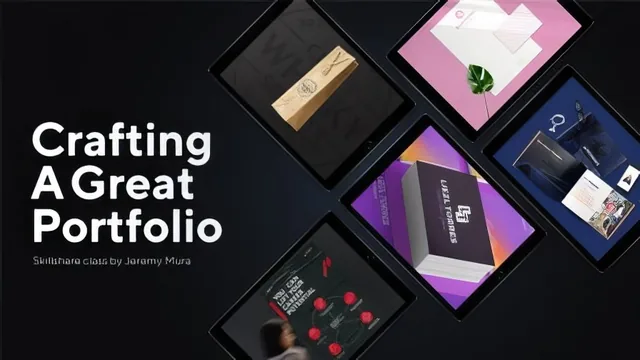
A brand designer's 130-minute walkthrough of building client-getting case studies, not a generic 'make a nice portfolio' pep talk.
A portfolio course that actually means case studies
Jeremy Mura opens with a reframe that shapes the rest of the class: stop calling it a portfolio, start calling it a case study. That distinction, drawn from his own experience sending out a thin PDF portfolio early in his career, becomes the spine of the course. Rather than treating a portfolio as a gallery of pretty images, he walks through a five-part structure for presenting work: introduction, solution, process, results, and testimonials, each aimed at answering the questions a prospective client is silently asking (can this designer get me similar results, do they have a repeatable process, can I trust them). It is a useful mental model, and one that separates this class from portfolio courses that stop at "show your best work."
The middle stretch covers writing about yourself, sourcing inspiration, and building attractive cover images, with the last of these broken into three concrete criteria: cohesiveness, a wow factor, and quality over quantity. The advice to show three deep case studies instead of fifteen shallow ones is not novel, but Mura backs it with a habit worth adopting: returning to finished client work months later to add fresh mockups and repackage it as the portfolio matures. The inspiration lesson, which tours Pentagram, We Are Collins, and Behance searches for brand identity work, is less a lesson than a guided browsing session, useful mainly for showing how to reverse-engineer what makes a case study land rather than teaching a transferable skill.
Where the course earns its keep
The strongest material is practical and hands-on. The Behance walkthrough builds a mock case study for a fictional clothing brand from raw Illustrator assets through export settings, compression, and upload, which is genuinely useful for anyone who has never packaged a project for that platform. The Webflow lesson is thinner by comparison and explicitly scoped down, functioning as a quick template setup rather than a real site-building tutorial, so anyone expecting to learn Webflow from this class will be disappointed.
The final stretch of live portfolio reviews is where the course is most valuable. Mura critiques real student sites line by line: telling one designer to left-align centered text, another to crop Instagram images to a 1:1 grid instead of leaving black bars, another to cut a logo-only project down and add context about the brief and outcome. These reviews demonstrate the case-study principles in action against imperfect, recognizable work, which does more to teach the eye than the earlier scripted lessons.
The course runs light on production value in places, with some sections feeling like screen-recorded browsing rather than structured teaching, and the Webflow lesson undersells what it promises. But the core teaching, the case-study framework and the critique-driven reviews, is specific, opinionated, and grounded in the instructor's own client work rather than abstract design theory. For a designer who already has projects to show but doesn't know how to present them, this is a practical and honestly delivered class.
The standout
The live student portfolio reviews, where the teacher walks through real beginner sites and pinpoints exact fixes like ditching centered text, cropping Instagram grids to 1:1, and cutting logo-only case studies down to context-rich stories.
What you will learn
- How to structure a case study using a five-part formula: introduction, solution, process, results, and testimonials
- How to write an About page that stays client-focused instead of self-centered
- Where to source visual inspiration (Pentagram, We Are Collins, Behance, abduzeedo) and how to reverse-engineer what makes those case studies work
- How to build a mock case study from scratch in Illustrator and publish it on Behance, including cover image export settings
- How to set up a basic portfolio site fast using a free Webflow template
- How to critique a portfolio like an art director, covering color consistency, mockup choice, and copy tightening
Best for: Junior and self-taught graphic designers who already have some design chops but don't know how to package their work into client-facing case studies.
Skip it if: Complete beginners with no design software experience, or anyone wanting a from-scratch Webflow or Illustrator build tutorial rather than a portfolio-strategy course.