
Building a Complete Photography Kit: Cameras, Lenses, Storage and Tools
Tabitha Park · Product & Food Photographer
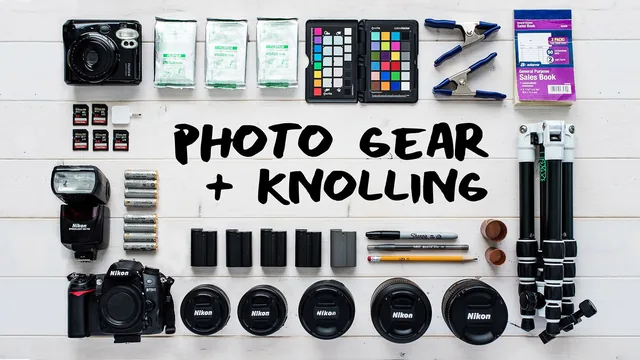
A working photographer walks through eight years of real gear upgrades, but this is a personal kit tour, not a technique tutorial.
A gear diary, not a technique class
Tabitha Park's course bills itself as a guide toward a photographer's next equipment upgrade, and that framing is accurate almost to a fault. The 76 minutes trace her personal camera history in strict chronological order: a Nikon D60 bought at sixteen, a D7000 upgrade for better low light, and a current D750 that she praises at length. Each jump is explained through a specific complaint about the previous body, low ISO ceiling, small sensor, insufficient video quality, rather than through any general framework for choosing a camera. A viewer walks away knowing exactly why Tabitha Park owns what she owns, but has to do real translation work to apply that reasoning to their own situation.
The lens section is the strongest stretch of the course. It moves through her 35mm, 85mm, and 105mm macro primes with specific numbers: apertures, weights, and, notably, minimum focal distance, a spec most beginner content skips entirely. Her explanation of why a six-inch difference in focal distance made her reject an upgrade to a 50mm lens is a genuinely useful illustration of how such a minor spec can matter in practice. The Sigma Art 35mm comparison against the Nikon equivalent also models a sensible way to test gear before buying: renting first, trying it hands-on at a local store.
The accessories and tools lesson covers flash technique, bags, memory cards, and client delivery software in one long, loosely organized stretch. The ceiling-bounce flash explanation is clear and practical. The bag comparisons, by contrast, drift into a lengthy complaint about a leather bag brand's customer service, interesting as anecdote but not instructional. The storage and software segment names real tools, a NAS running RAID, SanDisk Extreme Pro cards, ShootProof for client galleries, WeTransfer and Pixieset as earlier alternatives, but describes them at the level of "here's what I use" rather than showing a setup process.
The knolling project is where the course finally becomes a demonstration rather than a monologue. It covers real technique: keeping visual weight low in the frame, grouping similar objects, turning on the camera grid for alignment, and a specific Lightroom and Photoshop workflow for correcting lens distortion and straightening a crooked object using the lasso and transform tools. It is a short, achievable project that suits a beginner, even if it only occupies a fraction of the runtime.
Where it falls short
Pricing is stated throughout, but the class was published in 2018, so every dollar figure is stale, and the current-model comparisons for Nikon and Canon bodies are now listing discontinued cameras. Sony, Fujifilm, and mirrorless systems in general go unmentioned, which is a significant gap given how much of the market has shifted since. There is also no instruction on exposure, composition, or shooting technique itself, this is entirely about equipment and workflow, so anyone expecting to improve their actual photography skills will need a different class. As a candid, well-organized account of one photographer's gear decisions and reasoning, it succeeds. As a durable buying guide, it has aged past its usefulness.
The standout
The ceiling-bounce flash technique with a Speedlite and diffuser is a concrete, immediately usable lighting fix that beginners often get wrong.
What you will learn
- How to evaluate DSLR bodies by sensor type, ISO range, and megapixels using sites like snapsort.com and kenrockwell.com
- The tradeoffs between crop-sensor and full-frame lenses, illustrated through a 35mm progression from Nikon kit lens to Sigma Art
- Why minimum focal distance matters for close-up work and how it varies between prime lenses
- How to bounce a speedlight flash off a ceiling or wall for diffused, natural-looking light
- A basic backup workflow using redundant NAS drives split across two locations plus cloud storage
- How to compose and shoot a knolling flat lay, including grid alignment, lens distortion correction, and Lightroom/Photoshop cleanup
Best for: Nikon-leaning beginner to intermediate photographers who want a working professional's candid gear rationale before their next purchase.
Skip it if: Canon, Sony, or mirrorless shooters, and anyone wanting camera settings, posing, or editing instruction rather than equipment commentary.