
Brand an Online Shop: Create a Cohesive Product Line
Melanie Abrantes · Designer and Maker
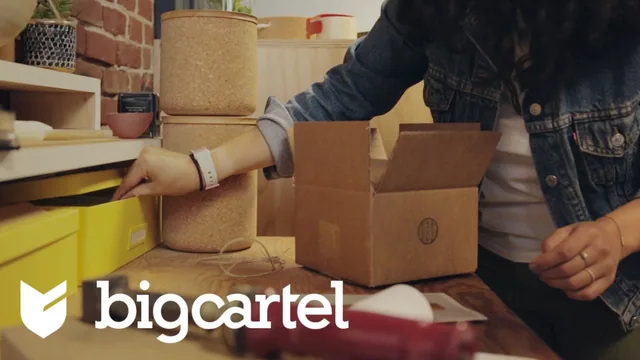
A 34-minute pep talk from a working maker on branding, light on step-by-step technique but strong on mindset and real examples.
Melanie Abrantes teaches this class the way she talks about her own cork and wood goods: personally, warmly, and a little loosely. As the owner of a Big Cartel shop selling artisanal home goods, she spends 34 minutes walking through how she thinks about developing products, naming a brand, and growing a line over time. The course is built as a loose lecture rather than a tutorial, so there are no worksheets, templates, or software demonstrations. What it offers instead is a working maker's mental checklist for building a brand that feels like a coherent story rather than a pile of unrelated items.
What the course actually covers
The strongest material sits in the middle third. In the product development and story-crafting lessons, Abrantes repeatedly returns to a set of questions: why are you making this object, what is your background for making it, and does it match who you actually are. She uses her own Portuguese heritage and her cork sourcing as the running example, showing how a personal biography became a materials choice and then a business name, Melanie Abrantes Designs. The lesson on naming makes a genuinely useful point: pick a name broad enough that it does not trap the business, using a hypothetical "caps only" shop that cannot expand into other products as a cautionary example, and contrasting it with Schoolhouse Electric, a name she says instantly signals the aesthetic and product category.
The most transferable technique in the whole course is the idea of building a line, not just a product, by adding items that share a customer's context. A swimsuit alone is one sale. A swimsuit plus flip-flops plus a matching beach towel is a line that invites repeat purchases and makes the brand feel considered. It is a simple idea, but it is stated clearly and is the one piece of concrete, reusable advice a beginner could apply immediately to almost any product category.
Where it thins out
The business lesson on pricing and production gestures at material cost, labor time, and wholesale markup, but never works through an actual number or formula. Anyone hoping for a pricing framework they can apply to their own materials will come away with the right questions but no method for answering them. The seasonal growth lesson is similarly impressionistic, built around Abrantes designing collections six months ahead of press deadlines and shifting photography tones by season, useful context for a working maker but thin as instruction for someone starting from zero.
The examples lesson, where she walks through five Big Cartel shops she admires, works better as inspiration than analysis. She names what she likes, mostly consistent color palettes, minimal photography, and single-material focus, but does not break down how those shops built that consistency, leaving viewers to reverse-engineer the lesson themselves.
The verdict
This is closer to a founder's fireside chat than a skills class. Beginners with no product idea yet will find the questions worth sitting with, but they will need to look elsewhere for pricing math, photography setup, or marketing execution. Makers who already have a product and a vague sense that their branding feels scattered are the ideal audience, since the course is really a set of prompts for tightening a story that already exists rather than a system for building one from nothing.
The standout
The instruction to expand one product into a cohesive line by adding thematically linked companion items, illustrated with the swimsuit-flip-flops-towel example, gives a concrete pattern for turning a single idea into a repeat-purchase catalog.
What you will learn
- How to evaluate whether a new product idea is authentic to your personal story and brand
- A framework of self-interrogating questions for developing products (why, background, uniqueness)
- How to price products by accounting for materials, time, and wholesale markup
- How to build a brand story around personal or cultural background and translate it into a business name
- How to extend a single product into a cohesive line using companion items (the swimsuit/flip-flops/towel example)
- How to plan seasonal product drops and time photography and press around them
Best for: Independent makers who already have a product idea or small shop and want to sharpen their brand story and product-line thinking rather than learn technical business or design skills.
Skip it if: Anyone wanting concrete pricing formulas, design software instruction, or a structured step-by-step business plan should look elsewhere.