
Becoming an Instagram Influencer: Creating Authentic Content and Monetizing Your Following
Sean Dalton · Travel Photographer
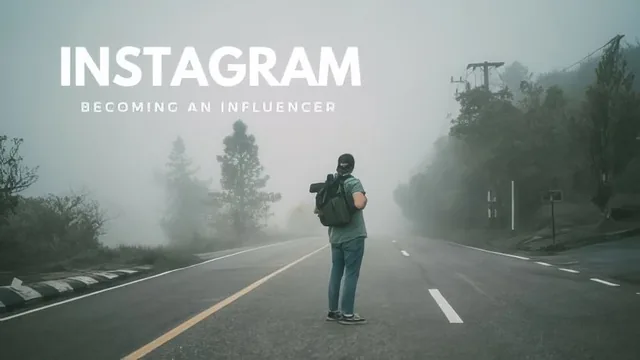
A working Instagram photographer explains exactly how he grew 25,000 followers using hashtag strategy and engagement pods, in under an hour.
What it actually teaches
The course runs a tight arc: pick a theme, make quality content, find the right hashtags, engage with intention, edit consistently, track the numbers, then get paid. Sean Dalton, a photographer who built his following around a coffee-and-cafes theme, uses his own account as the running example throughout, which keeps the advice concrete rather than abstract. He walks through his editing process (one VSCO filter, a light pass on highlights and shadows in Instagram's native editor) and his hashtag research method: search a broad tag like coffee, look at the related tags Instagram surfaces, then drill into a niche variant like cafe hopping Bangkok that sits in the tens of thousands of posts rather than the tens of millions. The logic is that a smaller, targeted hashtag lets a post trend and get discovered, while a massive one buries it instantly.
The engagement section is the most tactical part of the course. Dalton describes spending the first hour after posting commenting on other people's photos within his target hashtags, then asking them to check out his latest post. He is upfront that this is a deliberate reciprocity play, and he pairs it with an explanation of engagement groups, small chats of ten or so creators who like and comment on each other's posts to manufacture an early engagement spike. He is honest that this borders on gaming the algorithm, but he frames it as still requiring real, non-automated interaction.
Where it holds up and where it thins out
The analytics lesson is genuinely useful and specific: it shows how to read follower demographics and best-time-to-post data out of both native Instagram Insights and the third-party tool Iconosquare, and it gives a real benchmark (five to six percent engagement rate as a healthy baseline) rather than vague encouragement. The monetization lesson is similarly grounded, breaking income into three concrete paths: service promotion, sponsored posts, and affiliate commissions, plus a step-by-step approach to reaching out to brands, including the pragmatic tip to build a mock portfolio by shooting brand-adjacent content before ever landing a paid deal.
Where the course falls short is depth and shelf life. At under an hour it moves fast, and several ideas, like building a strong visual theme or staying authentic, get repeated across multiple lessons rather than developed further. The editing lesson barely goes beyond naming two apps and dragging two sliders. And because the entire course is anchored to Instagram's feed-and-hashtag mechanics of a platform update cycle, none of the discovery mechanics account for Reels or algorithm-driven recommendation feeds, which now carry more organic reach than hashtag search for most accounts. The class project, posting five theme-matched photos for feedback, is a reasonable low-effort way to apply the theme lesson but does not touch monetization or growth tactics at all.
The advice on engagement pods deserves a specific caveat: it is presented as a growth hack without acknowledging that Instagram has since penalized pod-style engagement circles as inauthentic activity, which makes this section the most dated part of an already time-bound course.
The standout
The targeted hashtag method, searching a broad tag's related results to find a specific niche tag under a million posts where a post can actually trend.
What you will learn
- How to pick a consistent visual theme and editing style that builds a recognizable brand identity
- How to find niche targeted hashtags in the 15,000 to 1,000,000 post range instead of oversaturated ones
- A specific post-publish engagement routine using comments in relevant hashtags during the first one to two hours
- How engagement groups (Instagram pods) work and how to join or form one
- How to read Instagram Insights and Iconosquare data to find follower demographics and optimal post times
- How to pitch brands, price sponsored posts, and use affiliate links to monetize a following
Best for: Someone with an existing Instagram account and a niche they are passionate about who wants a concrete growth and monetization playbook, not a beginner starting from zero.
Skip it if: Anyone hoping for platform-agnostic content strategy, video/Reels guidance, or a technical walkthrough of editing tools beyond basic filter application.