
Analytics & Authenticity on Instagram: Crafting Your Digital Presence
Sophia Chang™ · Designer, Illustrator, Friend
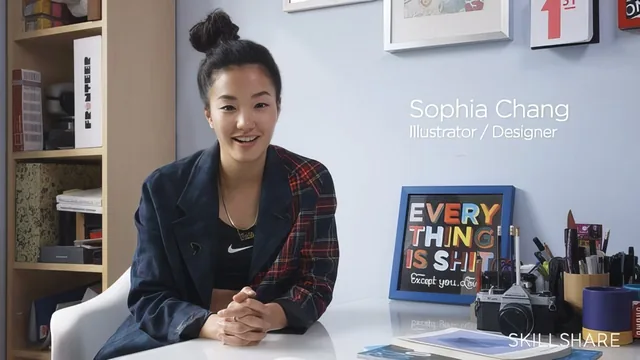
A working illustrator shares her hashtag, editing-app, and analytics workflow, but the advice stays anecdotal rather than systematic.
Sophia Chang's class promises analytics and authenticity in equal measure, but it delivers mostly the latter. Across nine short lessons she walks through picking a personal niche, shooting and editing photos, writing captions and hashtags, managing followers, and pitching brands, using her own feed (fitness, sneakers, street culture, hip hop, New York life) as the running example. The arc makes sense on paper: goals, then content, then presentation, then hashtags, then community, then analytics, then professionalism. In practice it plays more like a friend talking through her phone than a structured curriculum.
What actually gets taught
The most concrete segment is the editing app tour. Chang names four specific tools (VSCO for color grading, Snapseed for targeted color adjustments, AntiCrop for background extension, Retouch for spot removal) and demonstrates each on a real photo, including Snapseed's color-select feature that lets you brighten or desaturate just the pink on a pair of sneakers without touching the rest of the image. That is a transferable skill a viewer can apply immediately, regardless of what they post.
The hashtag lesson is similarly practical, if opinion-heavy: five to six tags rather than twenty, tagging both a product hashtag and the brand's handle, and understanding that a hashtag only counts if the poster themselves includes it. Her point that a wall of hashtags reads as try-hard rather than strategic is a fair, specific piece of advice, not generic filler.
Where it falls short
The class's title promises "analytics," but that lesson is thin. Chang gestures at unnamed free websites that email engagement stats, best posting times, and top-performing photos, and briefly opens a dashboard on screen, but she never names the tool clearly enough for a viewer to go find it, and the walkthrough is a narrated screen-share rather than a taught method. Anyone hoping to leave with a repeatable measurement framework will instead leave with "check some free sites periodically."
The bigger gap is that this is a course built entirely from one person's lived experience rather than any tested principle. Advice like "five to six hashtags is my own personal opinion" or "don't follow more people than follow you, I don't know what it is, it's probably a cool guy factor" is candid, but it signals throughout that the viewer is getting anecdote, not method. The assignments (post three new photos, draft an outreach message) are reasonable but loosely scoped, with no rubric or example of a finished result to check work against.
There is also nothing here about Instagram's current mechanics: no mention of Reels, Stories, the algorithm, or how discovery actually works today. A course built around static grid photography and pre-2018-era app names like Webstagram will feel dated to anyone starting an account now, even though the underlying advice about consistency, storytelling, and non-needy brand outreach still holds up conceptually.
The class is best treated as a mood board and a light nudge rather than a system. A total beginner with no plan for their feed will get some structure and a few useful apps out of it in well under an hour. Anyone who has already read a modern social media guide, or who needs actual growth mechanics rather than personality and vibe, will find little new here.
The standout
The Snapseed walkthrough of selecting a single color in a photo (like the pink on a sneaker) and adjusting only its brightness, contrast, and saturation is a genuinely reusable editing trick.
What you will learn
- How to identify 3-5 personal content pillars and mine them for endless post ideas
- A specific mobile editing stack (VSCO, Snapseed's color-select tool, AntiCrop, Retouch) and what each app is for
- A hashtag discipline of five to six targeted tags plus brand handles instead of dense hashtag blocks
- How to read free analytics tools (Iconosquare-style dashboards, Webstagram) for best posting times and top content
- Etiquette for following, commenting, and handling negative comments without looking needy or unprofessional
- How to draft a short, non-pushy outreach message to a brand or client using an established feed as proof of work
Best for: A hobbyist or early-career creative who wants a friendly, personality-driven crash course in building an Instagram presence around their existing interests.
Skip it if: Anyone who already understands Instagram basics, works in a business or marketing role, or wants a data-driven or algorithm-aware strategy.