
7-Day Personal Branding Challenge: How to Get Paid to Be Who You Are
Sina Port · Founder + adidas Brand Manager
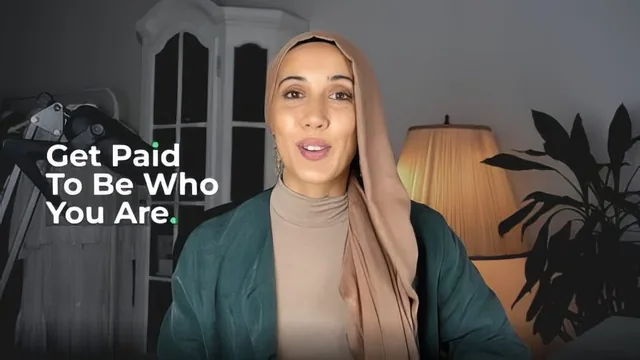
A brand strategist who worked with Adidas turns her own reinvention story into a structured week of daily branding exercises.
A week-long framework, not a growth hack
Sina Port structures this course as a literal seven-day sprint, numbering lessons Day 0 through Day 7 so that each one ends with a specific action item: write a purpose statement, pick two platforms, list three audience segments, draft a love statement, sketch a brand identity board, build a content calendar. The metaphor she returns to throughout, that a personal brand is a garden you build so opportunities come to you rather than a net you chase them with, gives the material a consistent through-line instead of a grab-bag of tips. The structure is the course's real strength: someone who follows it in order will end the week with a purpose statement, an audience profile, and a populated content calendar, which is more than most branding courses produce.
The content itself leans conceptual rather than tactical. Day 1 covers platform selection with a genuinely useful breakdown of micro, short-form, and long-form content by exact minute thresholds, and a rundown of what Google, YouTube, podcasts, and Meta platforms are each suited for. Day 3, on discovering a personal unique advantage, is the strongest single lesson: it walks through turning things that read as liabilities, not attending a prestigious school, growing up without money, being underrepresented in an industry, into stated differentiators, using Port's own history as a child model and teenage multi-job worker as the running example. Day 5 introduces a "love statement" template (my name is, I offer, they love my brand because) that gives shape to what is otherwise a fuzzy value proposition exercise.
Where it thins out
The course is weaker wherever it needs to get specific about execution. Day 7's brand strategy lesson introduces the 80/20 exposure-to-money-making content ratio and four content pillars, but the actual monetization mechanics, how to price a service, structure an offer, or convert a follower into a client, are gestured at rather than taught. SEO gets one lesson's worth of attention with the promise that tools are in a resource section, which pushes real technical execution outside the course itself. The examples that recur, Port's own podcast and Instagram launch, an interior designer named Mariam, a comedian named Ruqaiya, are illustrative but occasionally repetitive, and a few points (visibility equals credibility, done is better than perfect) get restated across multiple lessons rather than built on.
At 107 minutes across twelve lessons, the course moves quickly, which suits its stated audience: someone starting from zero online presence rather than someone optimizing an existing following. The teacher's own credibility, an Adidas and BMW brand manager who was featured in Vogue without being a model or designer, gives the framework a lived example rather than borrowed theory, and her willingness to describe early failure (200 job applications, five replies) makes the material feel earned rather than aspirational. Anyone wanting granular tactics on algorithm behavior, paid growth, or business monetization will find this course too high-level, but as a structured week of getting a scattered set of platforms and content ideas into a coherent starting shape, it does what it sets out to do.
The standout
The Day 3 exercise on turning an apparent disadvantage, like lacking a fancy degree or coming from an immigrant family, into a stated unique advantage is the most immediately usable reframing tool in the course.
What you will learn
- Defining a personal purpose and vision statement separate from a business or job title
- Choosing two content platforms to focus on based on where a target audience actually gathers
- Identifying a personal unique advantage, including ones that first look like disadvantages
- Segmenting an audience into three groups and mapping present-to-future value gaps for each
- Building a love statement formula to articulate why an audience should care
- Assembling a content calendar using the 80/20 exposure-to-conversion ratio and seasonal campaigns
Best for: Someone starting completely from scratch on social media or professional visibility who wants a structured week of small, concrete daily assignments rather than a polished long-term marketing system.
Skip it if: Anyone who already has an audience and needs advanced growth tactics, analytics, or monetization mechanics, since the course stays at the level of mindset and planning frameworks.